Yoga Is Not Everything
 When I chat with students or people who would like to start Yoga, I sometimes hear: “I need to do yoga.”
This use of the word “need” makes me thoughtful. Why “need” and not “want to” or “would love to“?
The more I thought about it and the more I realise that this “need” could only turn into “want” or “love” once someone have experienced the benefits of Yoga on every aspects of their life. Until them, the “need to do Yoga” lies on the idea that Yoga is mostly a physical activity and that the society’s and our doctor’s injunction to move more is playing on our guilt.
This semantic difference reflects a modern societal trait: we think a single habit change—like adopting a new hobby—can change everything! It is true that we have to start somewhere, and Yoga and sports do have the power of doing good to the body, which does good to the mind.
However, the trap in this belief is thinking that yoga is only physical. In reality, the benefits of Yoga for a dedicated practitioner touch every part of our person. Let’s see how.
Yoga is a Complete System
Starting with the Physical: In yoga, we naturally begin with the body by practicing asanas (postures). Because we are so used to ignoring our physical selves, this shift can feel immense, sometimes leading people straight into the trap of “always more,” chasing greater strength or flexibility.
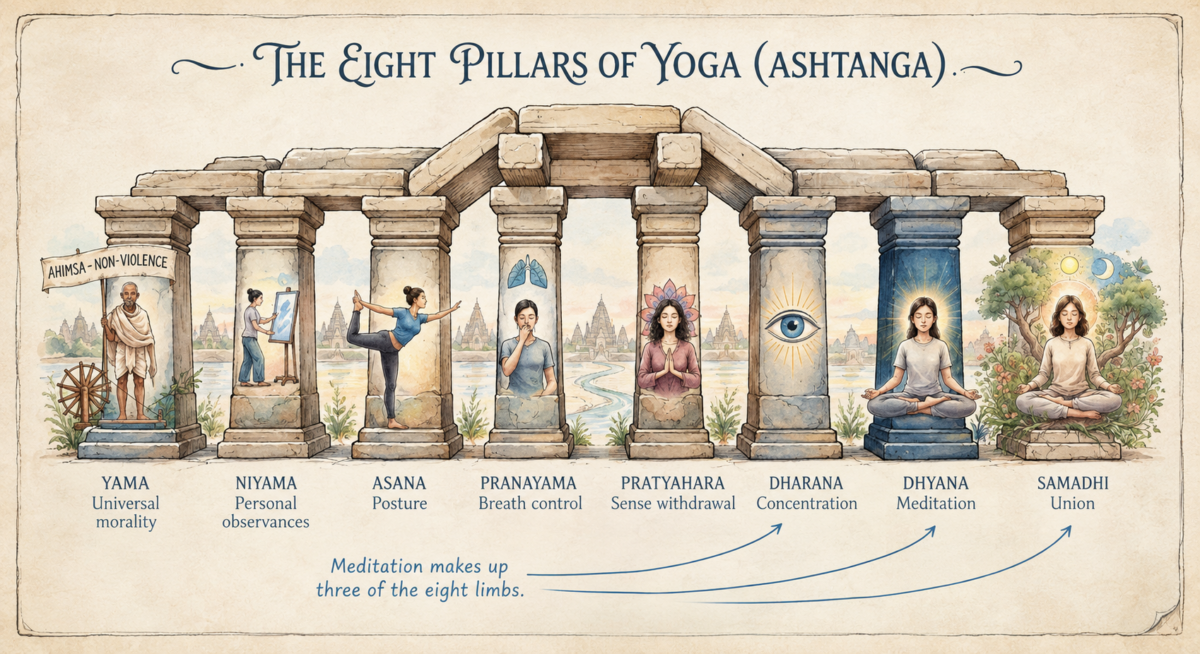
Missing the Broader Path: Reducing yoga to just physical exercise means missing out on experiencing it as a complete system. Meeting others along the path reveals a wide gap between those who focus only on the physical and those who examine their lifestyle through the Yamas and Niyamas—the ethical restraints and personal disciplines like non-violence and truthfulness—or explore their minds through meditation.
The Eight Limbs (Ashtanga): Originating from Patanjali’s ancient teachings, yoga is structured around eight pillars known as Ashtanga.
The Core Focus on the Mind: Three of these eight pillars relate directly to meditation, making up nearly half of the system (divided into concentration, meditation, and samadhi). This emphasis is no coincidence; cultivating and balancing the mind is ultimately where the true practice of yoga leads.
We will explore meditation more deeply in a future article (Dharana, Dhyana, and Samadhi: Why Yoga Counts Three Types of Meditation).
When we practice all eight pillars, Yoga becomes a lifestyle. Discipline and moderation show up naturally : you don’t need to do Yoga anymore, you want and love to practice Yoga.
The Danger of Seeing Yoga as a Simple Remedy
The Trap of the Yoga Bubble: When we begin practicing asanas and notice their benefits, it is easy to fall into the trap of thinking yoga is a solution to everything. Having spent weeks or months immersed in communities of aspiring yogis, I fell into this mindset myself.
Stepping Back Into the Real World: Returning to everyday life can trick us into believing we need to spread this absolute truth to everyone else, often causing unintentional harm by bringing confusion or guilt to those who have never practiced.
The Slip Into Toxic Positivity: In psychology, this behavior is known as toxic positivity. Over the years, I actually distanced myself from certain yoga friends because of this tendency; once, while mourning my grandmother’s passing, a fellow yogi brushed my grief aside with, “You’re a strong woman, it’s ok.”

Ready-Made Responses: When someone mentions a backache or general malaise, the default reaction drilled into us in yoga school is simply: “Practice yoga! Practice Pranayama.”
I have made that exact mistake myself, but once I realized how counterproductive and silly it was, I stopped.
Toxic positivity can be detrimental because it invalidates genuine human pain, creates a false sense of superiority in the practitioner, and induces unnecessary guilt in others by reducing complex personal struggles to an oversimplified physical fix.
Yoga as a Healthy Foundation

The Importance of Diversity: Just like food and diet, diversity is key when it comes to physical activities. Making yoga—or any single practice—the ultimate cure for complex problems can be dangerous.
The Power of a Comprehensive Practice: Don’t get me wrong, I believe fully in the efficacy and power of yoga. When practiced regularly, diligently, and comprehensively across all its pillars, yoga genuinely contributes to a better physical, mental, and spiritual life.
Keeping Your Practice Balanced: For beginners, here are tips to keep your practice balanced (after all, isn’t yoga about balance?):
Do not skip the rest of the Menu: Practicing only physical or one aspect of Yoga (for instance devotional Yoga called Bhakti Yoga) is like following a restrictive diet that leaves aside key nutritional elements (think of the Ketogenic Diet and its obsession with fat). Do not let yourself be intimidated by the meditative or behavioral aspects of Yoga; you will not become a desireless monk just by practicing the Yamas and Niyamas.
Move your body in different ways: Regular asana practice served as my foundation for other sports like road cycling, swimming, and running. Because a complete asana practice builds body awareness, proprioception, and joint stability, and balancing postures specifically help correct muscular imbalances, it all works together to keep you safely away from injuries in your other physical activities.

By cultivating a complete practice that embraces both the physical and mental pillars of yoga, while extending our movements into other physical activities, we protect ourselves from a trap: becoming overly attached to yoga itself as our sole identity.
After all, Yoga teaching is about detachment, or vairagya, reminding us to hold our habits loosely and stay flexible instead of rigid.
Finding your own path

Yoga can sometimes help us make peace with parts of ourselves we have long ignored—first on the physical level, and then at deeper levels of the unconscious. But let’s be honest and realistic: embracing its culture requires reflection and a critical mindset rather than blind imitation.
Whether you are starting a yoga practice or are an experienced practitioner, ask yourself the following questions with the second yama in mind and heart (truthfulness—satya):
-
What actually draws you to yoga? Why?
-
Which aspects interest you the most, and conversely, the least?
-
Take a moment to question the parts of the yoga system that intimidate you, because they might just be the ones you need the most.
Last posts

Yoga and Cycling : How Yoga Made Be A Better Cyclist
Part I: The Body — How Yoga Complements Cycling How yoga can improve mobility, body awareness and balance on and off the bike. I used to think that cyclists in [...]



My week at the Divine Life Society (Sivananda Ashram) : Part III
"Sow love, reap peace. Sow meditation, reap wisdom" - Swami Sivananda From Hatha Yoga to Bhakti Yoga I practise Yoga postures (Yoga Asanas) almost every day, even if it’s just [...]

My week at the Divine Life Society (Sivananda Ashram) : Part II
“Fewer the thoughts, greater the peace.” Swami Sivananda Arrival at the Ashram After a long journey by bus and then by rickshaw, I arrived in front of this orange facade [...]



My Week at the Divine Life Society (Sivananda Ashram, Rishikesh) Part I
"Let your eyes look with kindness, your tongue speak with sweetness, and your hand serve with softness" Swami Sivananda During my last trip to India, I had the incredible opportunity [...]

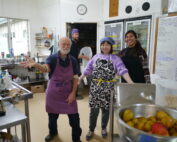
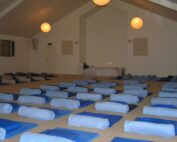

Serving a Vipassana Course: The Ultimate Yoga Practice
Anyone who has completed a 10-day Vipassana course alongside a dedicated yoga practice will tell you: Vipassana is the holy grail of Yoga. You can read about my first Vipassana [...]

Yoga Is Not Everything
When I chat with students or people who would like to start Yoga, I sometimes hear: "I need to do yoga." This use of the word "need" makes me thoughtful. [...]

Beyond the Postures: Svadhyaya and the Practice of Looking Within
"svādhyāyād iṣṭadevatā-samprayogaḥ" Sutra II.44, Yoga Sutras, Patanjali "From self-study comes communion, or alignment, with one's chosen deity or higher ideal" This sutra (verse) gives the explanation of the concept of [...]


Teaching Yoga in a Resort in Cambodia
I moved to Cambodia with a naive dream: to connect with my roots. Being born in Paris to Cambodian parents, growing up in France, and studying in Germany. I was [...]


Is Yoga A Sport?
Yoga Is Not a Sport - Said My Doctor I started Yoga with a few irregular sessions in a yoga studio in North Shore Auckland and online. At the time, [...]
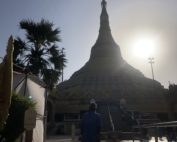
My First Vipassana Retreat
On a quiet night beneath the Bodhi tree, Gautama Buddha closed his eyes—not to escape the world, but to see it so clearly that suffering itself dissolved. My journey from [...]