
Serving a Vipassana Course: The Ultimate Yoga Practice
Anyone who has completed a 10-day Vipassana course alongside a dedicated yoga practice will tell you: Vipassana is the holy grail of Yoga. You can read about my first Vipassana course here)
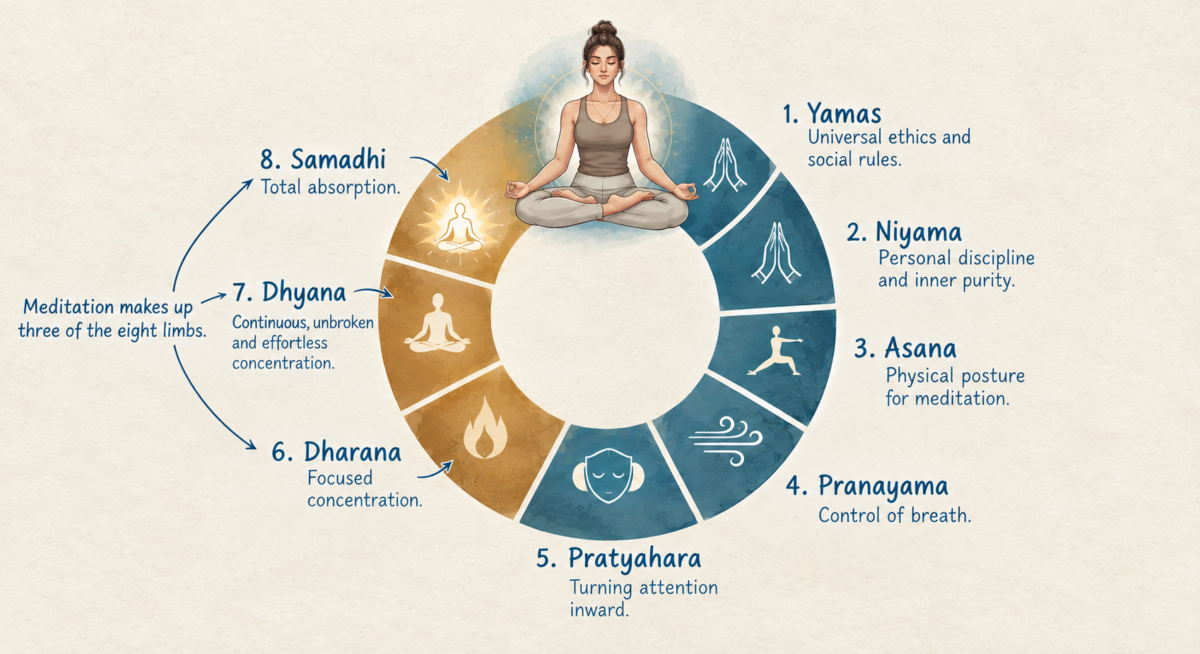
Indeed, meditation makes up three of the eight limbs of Patanjali’s Ashtanga system.
The Power of Practice
Practicing yoga without meditation is a bit like a bird trying to fly with only one wing—you go through the motions, but you never actually take off.
The Next Step
For those who have already completed a 10-day course, there is an equally deep and transformative step waiting on your path to peace and harmony: serving a course.
Why Serve?
After your first course, you become an “old student” eligible to volunteer at any Vipassana center. Because all courses run entirely on donations, serving is a way to give back the gift you received. Grateful for the delicious meals, comfortable bed, warm shower, and an environment that was absolute perfection for deep meditative practice during my first course in England, I jumped at the chance to serve while traveling in New Zealand.
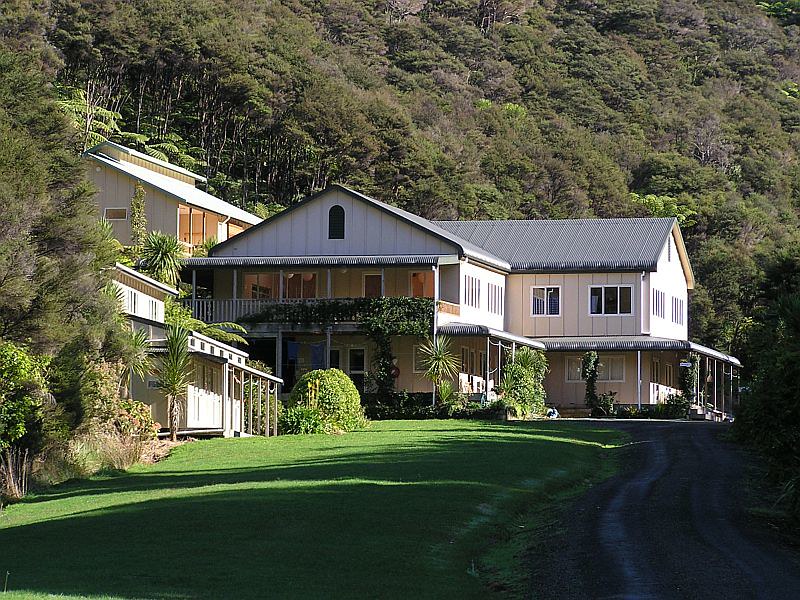
Dhamma Medini, photo by Ray Tomes on flickr
What Is a Service Period Like?
A service term mirrors the students’ rigorous schedule: servers must ensure the meditation hall runs smoothly and meals are prepped on time.
At a center like Dhamma Medinī in New Zealand, which hosts around a hundred students, kitchen work is fast-paced and physically demanding. Especially for people who have no professional experiences working in kitchen! Add in a team of strangers meeting for the first time on day one, and it is rarely a quiet retreat.
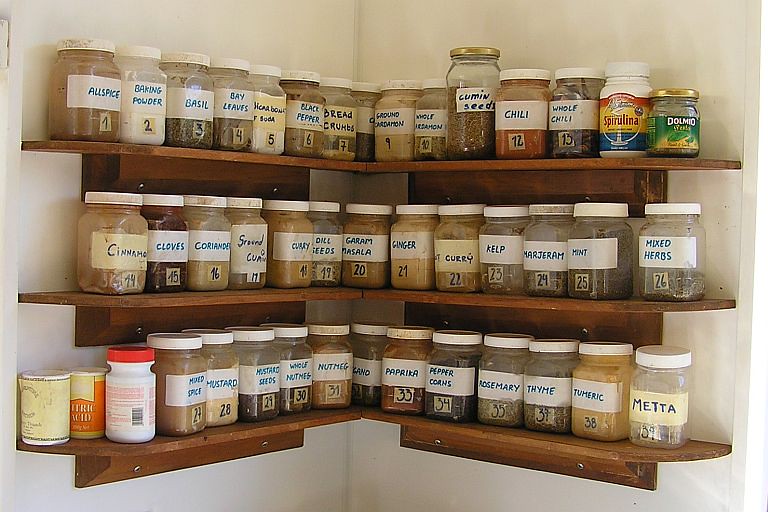 Dhamma Medini kitchen, photo by Ray Tomes on flickr
Daily Demands
Beyond cooking and cleaning, servers are required to maintain at least three hours of daily meditation, including the mandatory group sittings. Days routinely stretch from a 5:00 AM kitchen start until the 9:00 PM debrief with the assistant teachers.
Peaceful Meditation is not Real World Meditation
It is easy to drop into deep, tranquil states of meditation when you are a student completely cut off from the outside world, free from distractions, responsibilities, and contact with anyone.
But the reason so many meditators fail to keep up their practice at home is that they miss the true goal: they chase that pristine, peaceful, and deep state of meditation they experienced at the center, rather than realizing that developing awareness and equanimity in everyday life is what meditation is actually all about.
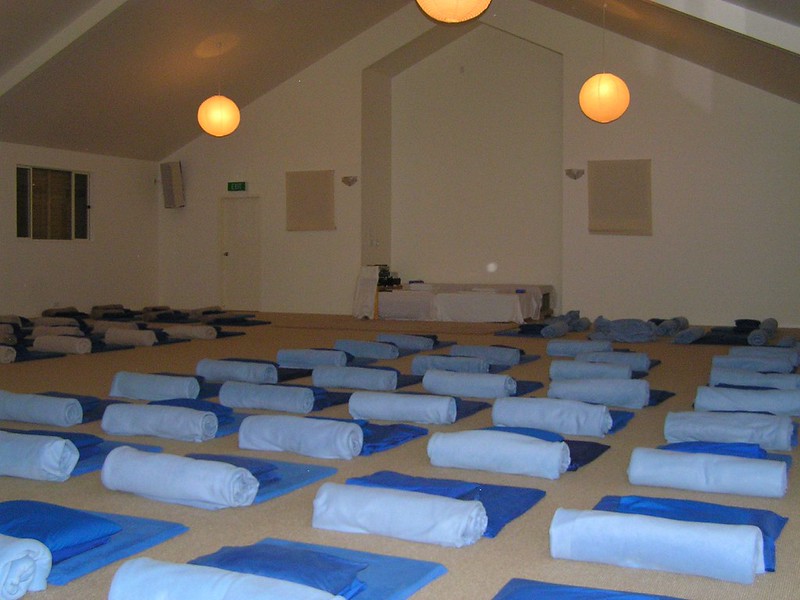
Meditation Hall at Dhamma Medini, photo by Ray Tomes on flickr
Exhaustion as Practice
Serving is physically exhausting. Unlike students in noble silence, a server’s mind is full of logistics, kitchen dynamics, and daily distractions. Concentrating on the breath while exhausted is infinitely harder than meditating as a student.
Yet, this is precisely what makes service so beneficial. It mimics real life.
The Ultimate Test
Sitting in stillness amidst physical fatigue and mental chatter is the most challenging test of equanimity.
Decisive Encounters and the Kitchen Sangha
While students maintain strict silence, servers are allowed “noble speech” to coordinate meals. Between chopping vegetables and washing dishes, our kitchen often felt more like a social café.

Photo by Craig Adderley on Pexels
Inspiration from the Community
Despite the chatter, the kitchen community introduced me to some of the wisest, most generous people I have ever met. Spending time with our assistant teachers, Ruth Gordon and her husband Andrew, hearing their stories of studying and meditating with S.N. Goenka added a profound sense of lineage and inspiration to our days. Meeting people who actually are harmonious and peaceful is a huge motivation to keep going, because you can see with your own eyes that the practice genuinely works.
There was another man who inspired me to seriously pursued Vipassana meditation as you could see the benefits on his behavior, soul and heart : Tony.
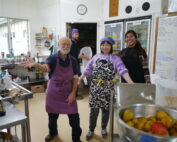
Tony is in his seventies (or eighties?), but his gaze and smile are those of a pure, happy child. Tony was our kitchen manager, and he managed the kitchen and the team wonderfully! His teamwork and the way he motivated and supported us were the main reasons for the calm, supportive environment in the kitchen.
It should also be mentioned that Tony is an exceptional builder who has helped construct centers all around the world, from Japan to Australia.
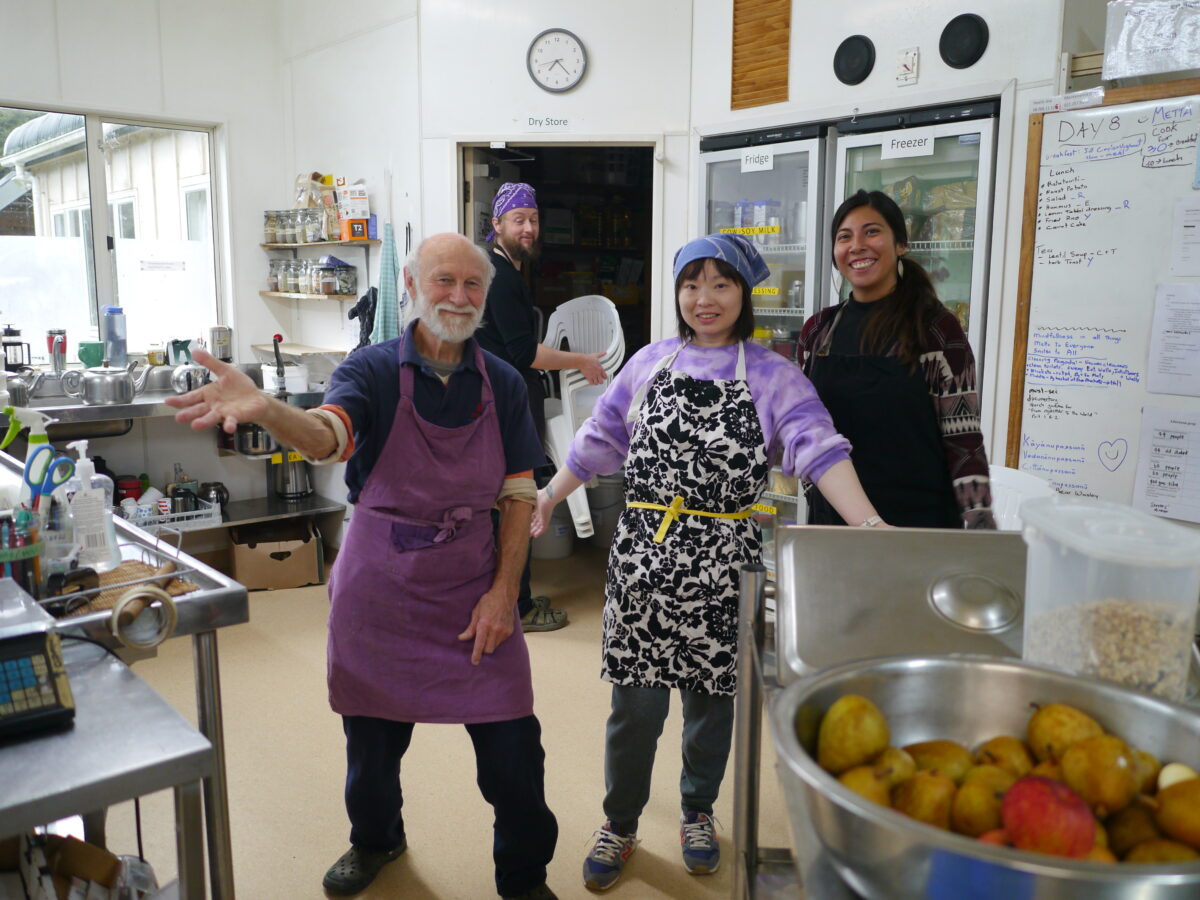
Picture by Tony Flyingbear Wasley
Big Brother Vipassana
Volunteer work with a dozen strangers from around the world inevitably brings friction. Between a colleague’s careless jokes and a volunteer who brags about past monk status while avoiding dish duty, patience is tested daily!

Photo by Duong Nhan
Confronting the Ego
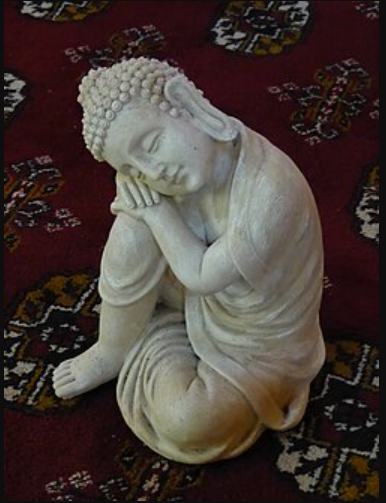
This environment directly attacks the ego, which Buddhism calls the main trap of suffering. When you are tired and the work feels unfair, your ego quickly flares up. Plus, servers have to stay quiet and invisible so they don’t disturb the students. Handling these small personality frictions without falling into bad mental loops became my deepest practice of patience and love. You learn to watch your irritation with a particular person or a difficult situation without reacting, turning the kitchen into a practice space for real life.
Daily Processing
To help us process all of this, the servers have one final group meditation together at the end of the day. This quiet time reminds us why we are really here, giving us space to look back on our actions and let go of any negative thoughts or frustrations from the day.
Learning Metta: A Lesson in Non-Judgment
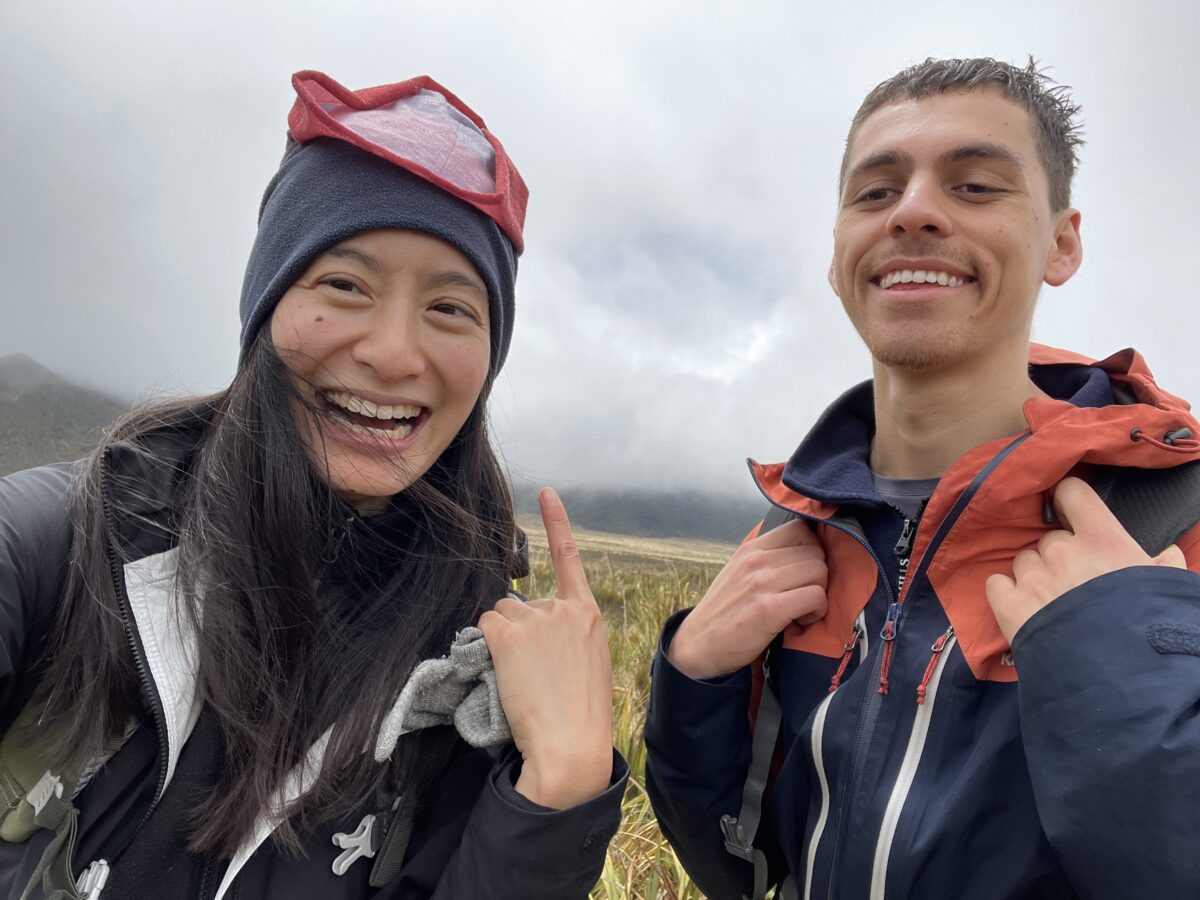
To conclude this text, I would like to share something from a conversation I had with a dear friend, Adrian, that I met during this course that we both served.
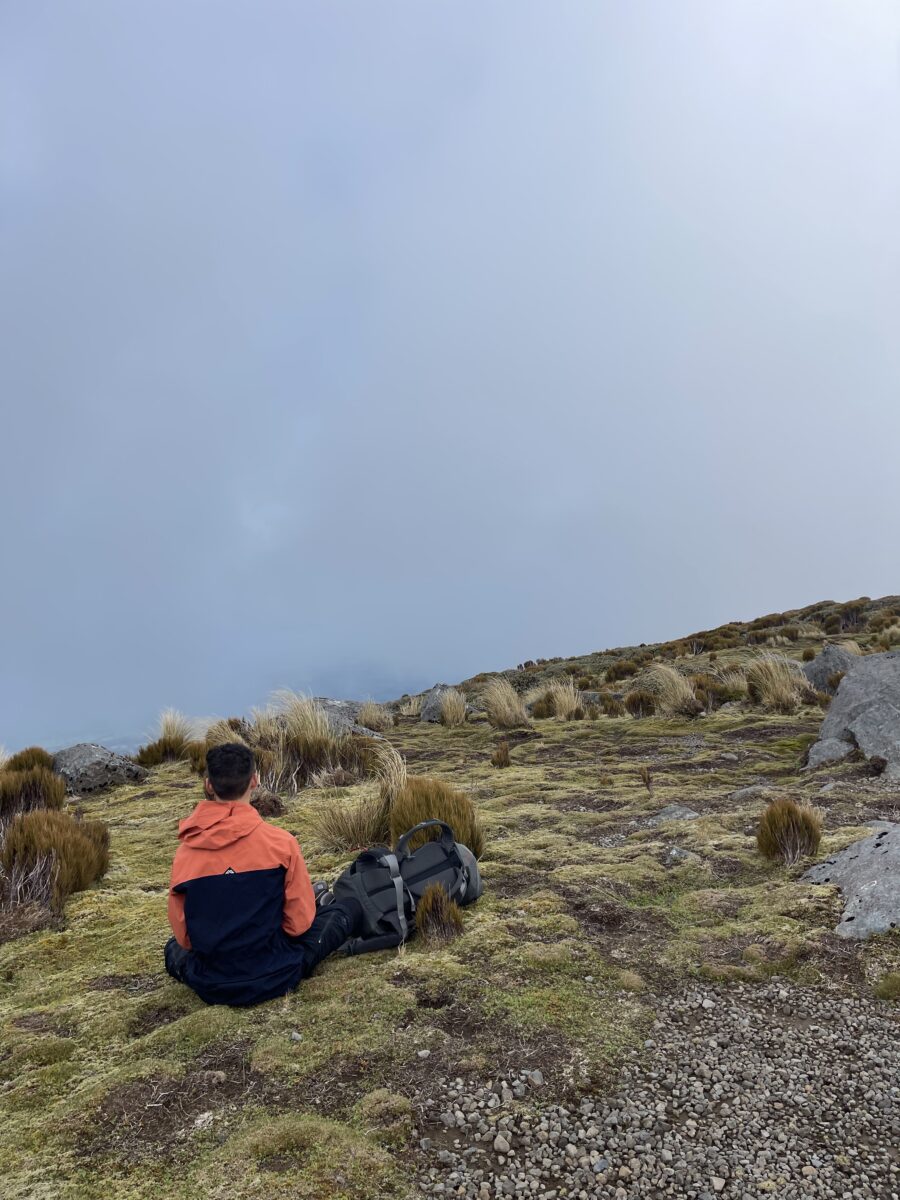
We were hiking on Mount Taranaki a few months after the service, discussing some of the challenging people we had encountered. I was being a bit judgmental and critical of a server who had done multiple courses, wondering why it hadn’t changed how she behaved with her peers in the kitchen.
Adrian said something that struck me, and his words have stayed with me to this day: “We don’t know where they started from, or how they used to be before they began meditating.”
A lesson of humility
That was true compassion. Not just in theory. A real lesson of humility.
Reflecting on that taught me true Metta (loving kindness, a concept explained on the last day of a Vipassana course). Learning not to judge someone when you know nothing about their background or inner battles.
Letting go of those critical thoughts was deeply liberating and was the most precious gift of this service.
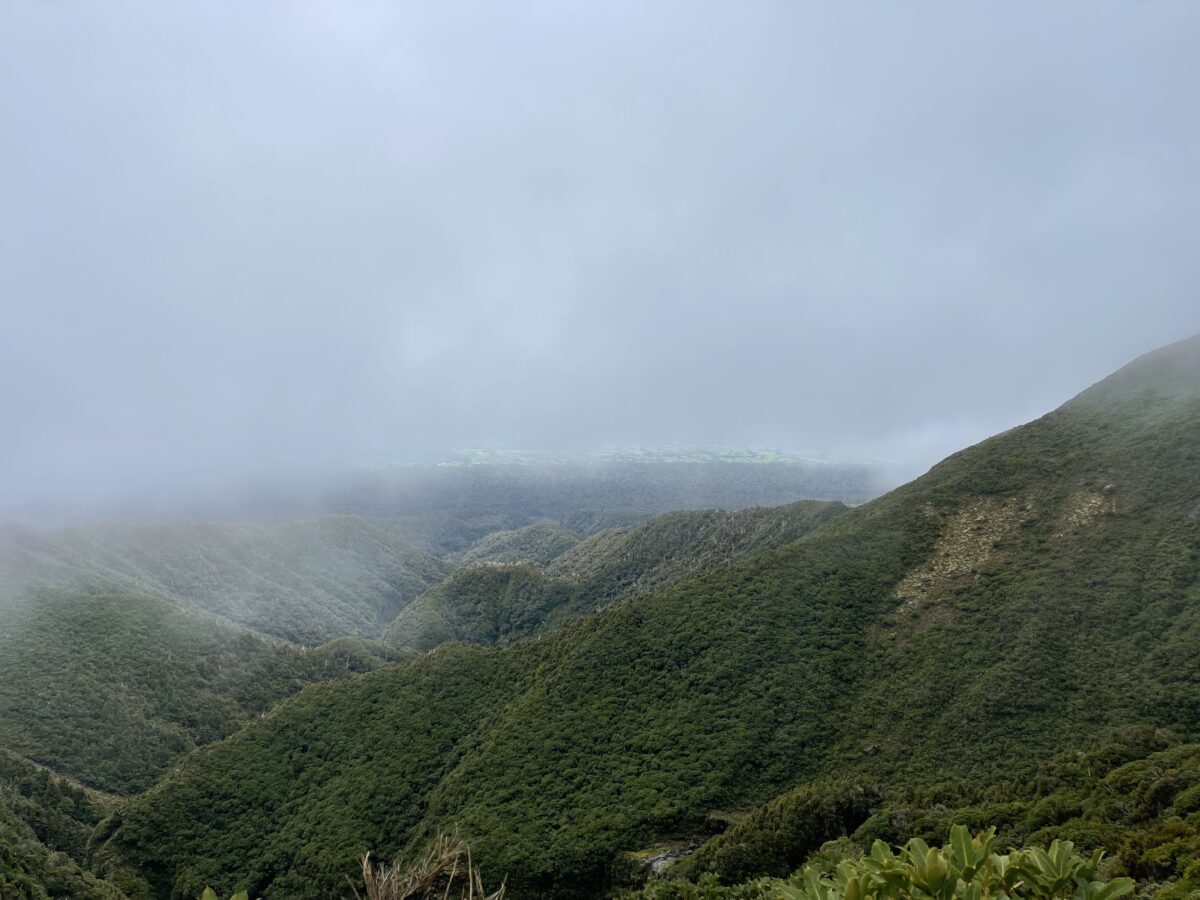
Pouakai Crossing in Mount Taranaki
If you’re interested to serve a course, you can find centers and schedules all around the world at the Official Vipassana Course Website
Last posts


Yoga and Cycling : How Yoga Made Be A Better Cyclist
Part I: The Body — How Yoga Complements Cycling How yoga can improve mobility, body awareness and balance on and off the bike. I used to think that cyclists in [...]




My week at the Divine Life Society (Sivananda Ashram) : Part III
"Sow love, reap peace. Sow meditation, reap wisdom" - Swami Sivananda From Hatha Yoga to Bhakti Yoga I practise Yoga postures (Yoga Asanas) almost every day, even if it’s just [...]


My week at the Divine Life Society (Sivananda Ashram) : Part II
“Fewer the thoughts, greater the peace.” Swami Sivananda Arrival at the Ashram After a long journey by bus and then by rickshaw, I arrived in front of this orange facade [...]




My Week at the Divine Life Society (Sivananda Ashram, Rishikesh) Part I
"Let your eyes look with kindness, your tongue speak with sweetness, and your hand serve with softness" Swami Sivananda During my last trip to India, I had the incredible opportunity [...]


Serving a Vipassana Course: The Ultimate Yoga Practice
Anyone who has completed a 10-day Vipassana course alongside a dedicated yoga practice will tell you: Vipassana is the holy grail of Yoga. You can read about my first Vipassana [...]

Yoga Is Not Everything
When I chat with students or people who would like to start Yoga, I sometimes hear: "I need to do yoga." This use of the word "need" makes me thoughtful. [...]

Beyond the Postures: Svadhyaya and the Practice of Looking Within
"svādhyāyād iṣṭadevatā-samprayogaḥ" Sutra II.44, Yoga Sutras, Patanjali "From self-study comes communion, or alignment, with one's chosen deity or higher ideal" This sutra (verse) gives the explanation of the concept of [...]


Teaching Yoga in a Resort in Cambodia
I moved to Cambodia with a naive dream: to connect with my roots. Being born in Paris to Cambodian parents, growing up in France, and studying in Germany. I was [...]


Is Yoga A Sport?
Yoga Is Not a Sport - Said My Doctor I started Yoga with a few irregular sessions in a yoga studio in North Shore Auckland and online. At the time, [...]

My First Vipassana Retreat
On a quiet night beneath the Bodhi tree, Gautama Buddha closed his eyes—not to escape the world, but to see it so clearly that suffering itself dissolved. My journey from [...]