My First Vipassana Retreat
On a quiet night beneath the Bodhi tree, Gautama Buddha closed his eyes—not to escape the world, but to see it so clearly that suffering itself dissolved.
My journey from Yoga to Silent Meditation
In recent years, meditation retreats have become increasingly popular. Perhaps because stress itself has become so deeply woven into our modern lives.
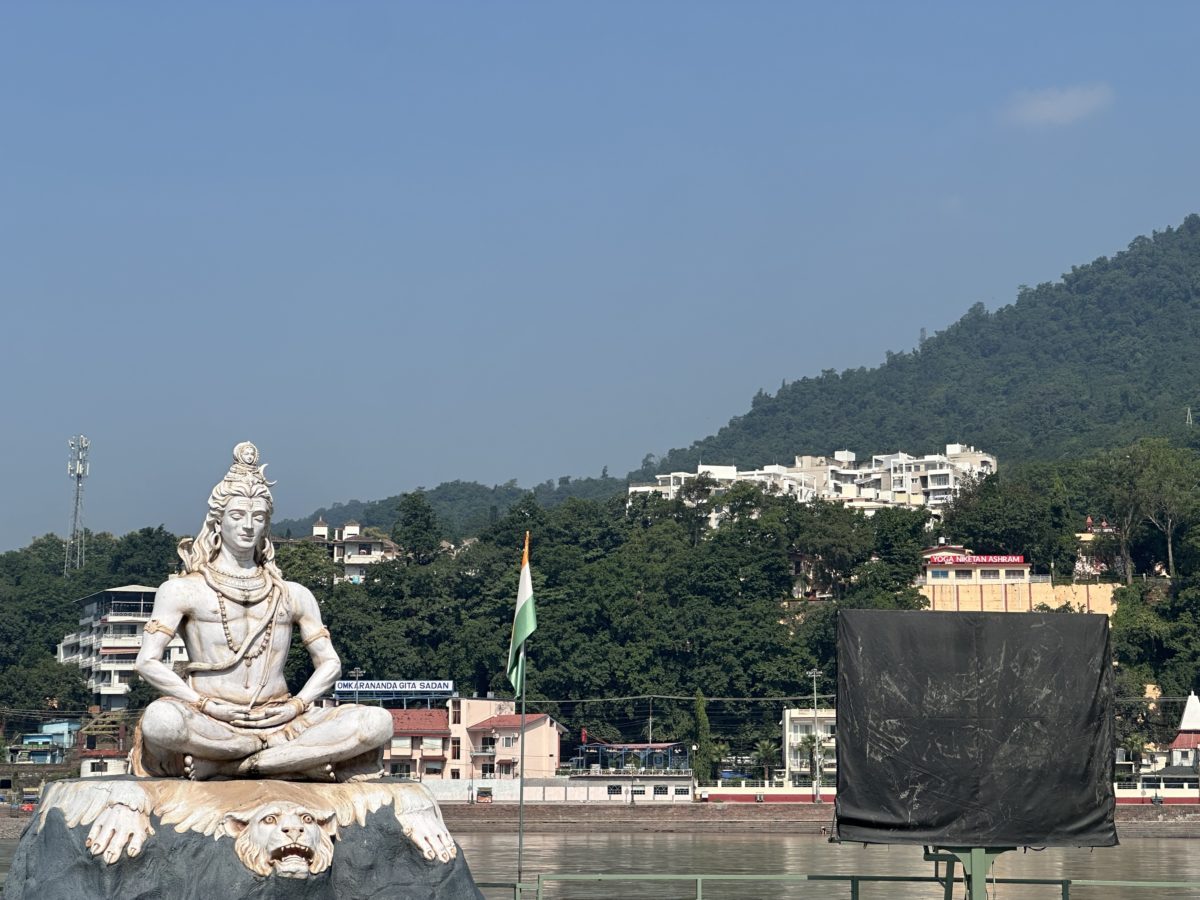
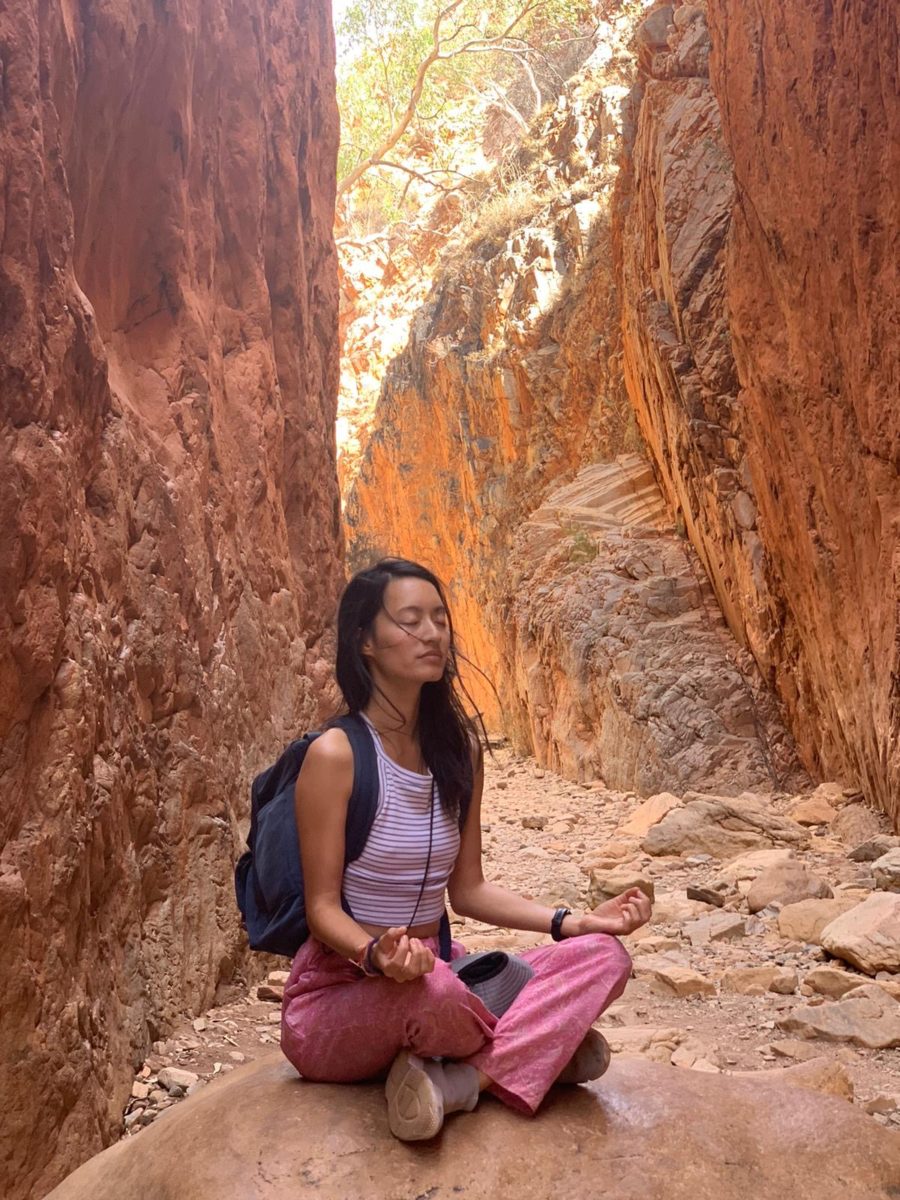
I personally came to meditation through yoga. Meditation felt like a natural continuation of the practice of Yogasanas (postures of Yoga), almost like “Yoga without physical movement”.
After all, can we actually meditate while doing something else?
Yes and no. Yes, if meditation is understood as the ability to focus attention and remain present with what is happening : an approach often referred to today as mindfulness, which has become particularly popular in recent years, notably through the work of Professor Jon Kabat-Zinn and his Mindfulness-Based Stress Reduction (MBSR) programs. But this is only one aspect of meditation, one side of the coin.
The Vipassana technique goes a step further. Why? Because it doesn’t just train the mind to focus or stay present, but directly investigates the true nature of reality, especially impermanence, suffering, and non-self, leading to profound inner transformation.
Learning it in a dedicated center is particularly beneficial, as the meditator is placed in ideal conditions to do one single thing: meditate. No socializing, no communication with the outside world, no distractions. Everything is designed to support deep focus and inner observation.
My First Encounter with Vipassana
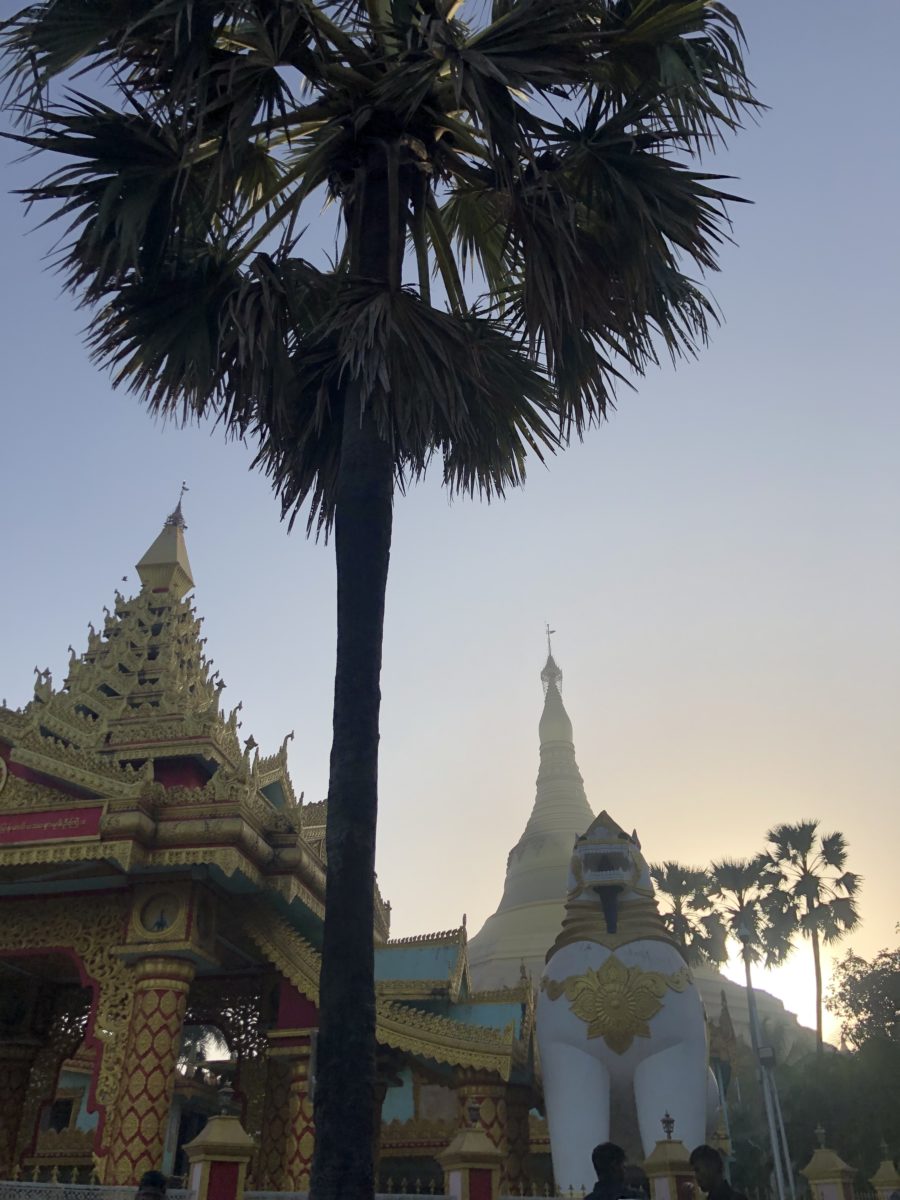
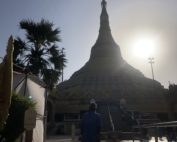
It was at the end of an intensive Yoga training in Mumbai that I first set foot in a Vipassana center: the Global Vipassana Pagoda in the north-west of the city. The place was stunning, filled with serenity. The pagoda itself was impressive, crowned with a massive golden stupa.
At the time, I knew nothing about the technique or Vipassana retreats. I had vaguely heard of them but assumed they were not for me.
That day, I was with two friends who had already completed Vipassana retreats. After asking for permission, we were allowed to sit inside the meditation hall. The space was immense, shaped like a giant dome, almost empty, only one woman was meditating.
We took cushions and sat near the center of the room. I closed my eyes and immediately entered a calm, alert, and peaceful state.
Was it the place? The effects of meditation alone? Or perhaps the combination of factors, the end of my stay in Mumbai and this unique moment shared with very dear friends. There was something difficult to put into words about this place: an atmosphere so calming that my body and mind felt light.
Forty-five minutes later, my friends gently called me, it was time to leave. I hadn’t felt time passing at all.
From that moment, I felt I was ready for this meditation.
My First Vipassana Retreat in the British Countryside
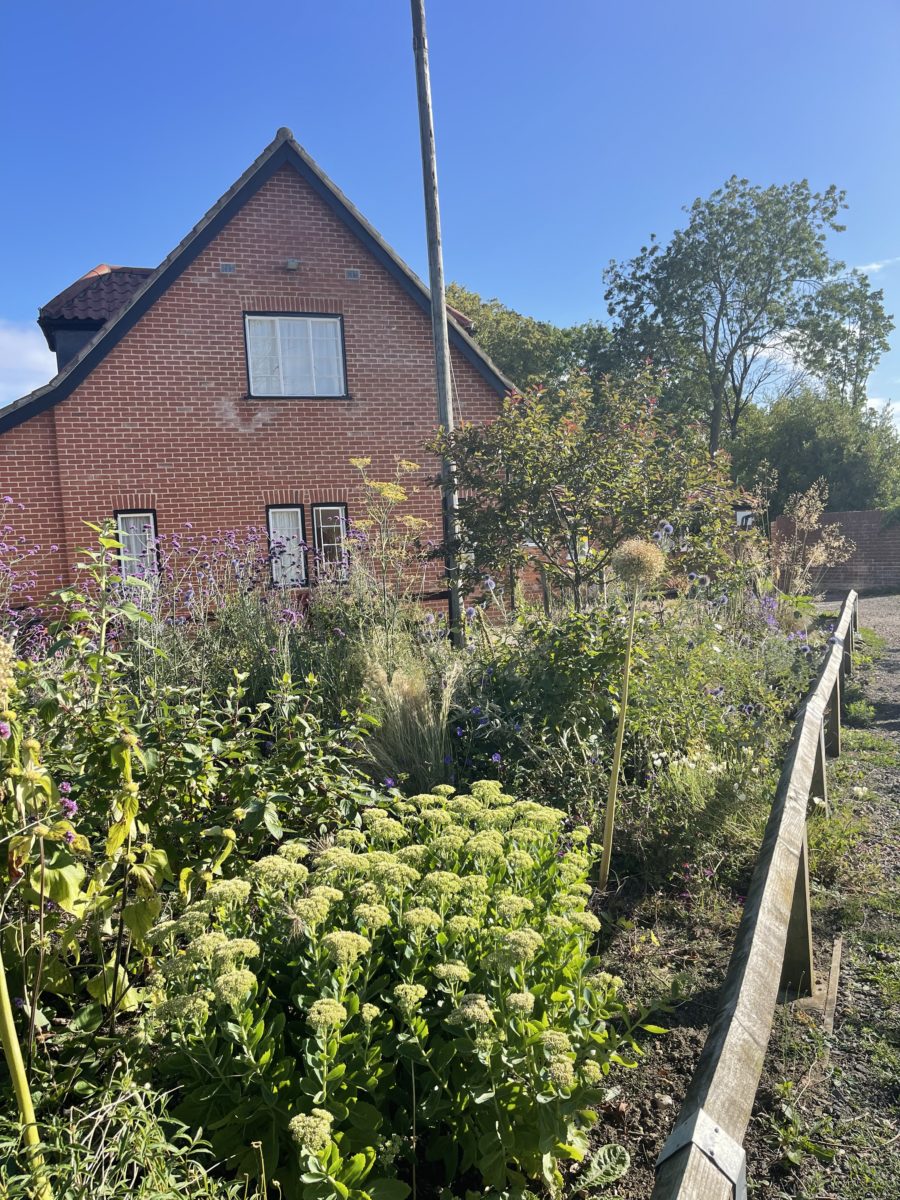
A few months later, I was fortunate enough to secure a place in a ten-day retreat at Dhamma Sukhakari, in the Suffolk countryside, a small center about two hours from London.
The center had a very British charm: a modest cottage, simple rooms with bunk beds, and only two showers for several shared rooms.
Before entering “noble silence,” we shared one last collective moment with the young women from our dormitory. A final burst of laughter, and then, ten days of silence began.
One night, at 10 p.m., my alarm went off. I struggled to turn it off, and just as I got up, I heard the girl in the bunk above me exclaim, “What the ….?!” I crawled back under my blanket to stifle both my laughter and my embarrassment. Fortunately, everyone had to maintain silence.
Vipassana — The King of Meditation
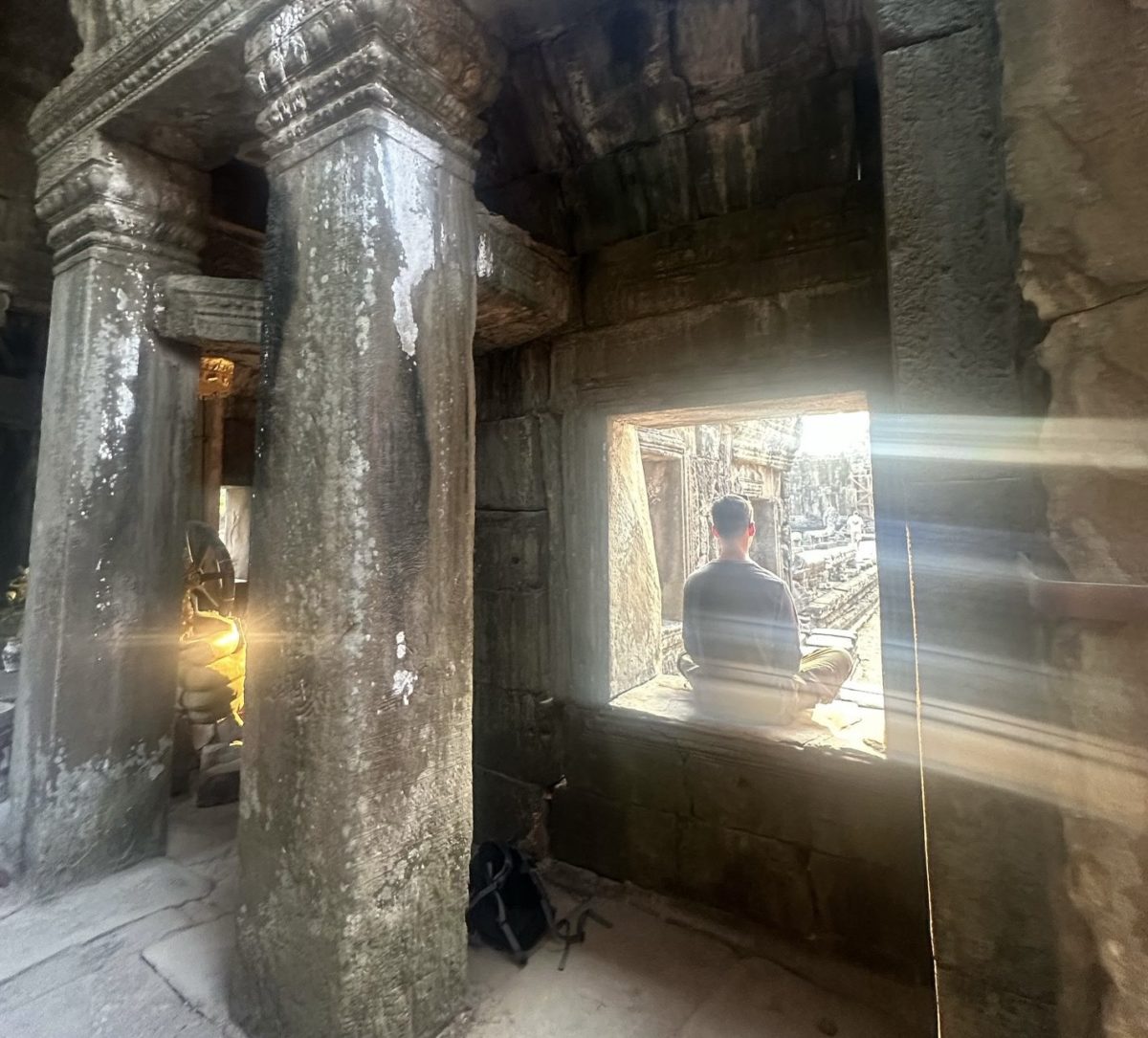
We meditated all day long. Surprisingly, the rhythm of it suited me. After months in India, sitting cross-legged had become familiar, and my yoga practice helped support my back and joints during long hours of stillness.
I recalled the phrase from one of my philosophy teacher from Mumbai: Yoga is Samadhi.
In Sanskrit, Samadhi means complete absorption, a state of profound meditative unity in which the mind becomes fully still and fully merged with its object of focus.
It’s interesting to note how different concentration is framed in each tradition :
In Yoga, Samadhi is the eighth and final limb of Patanjali’s Ashtanga Yoga that leads toward Moksha, or liberation. The two limbs right before Samadhi are Dharana (concentration) and Dhyana (meditation).
However, in Vipassana, Samadhi is defined as concentration and is only the second of three steps. The first one being Sila, morality and the third one being Panna, wisdom.
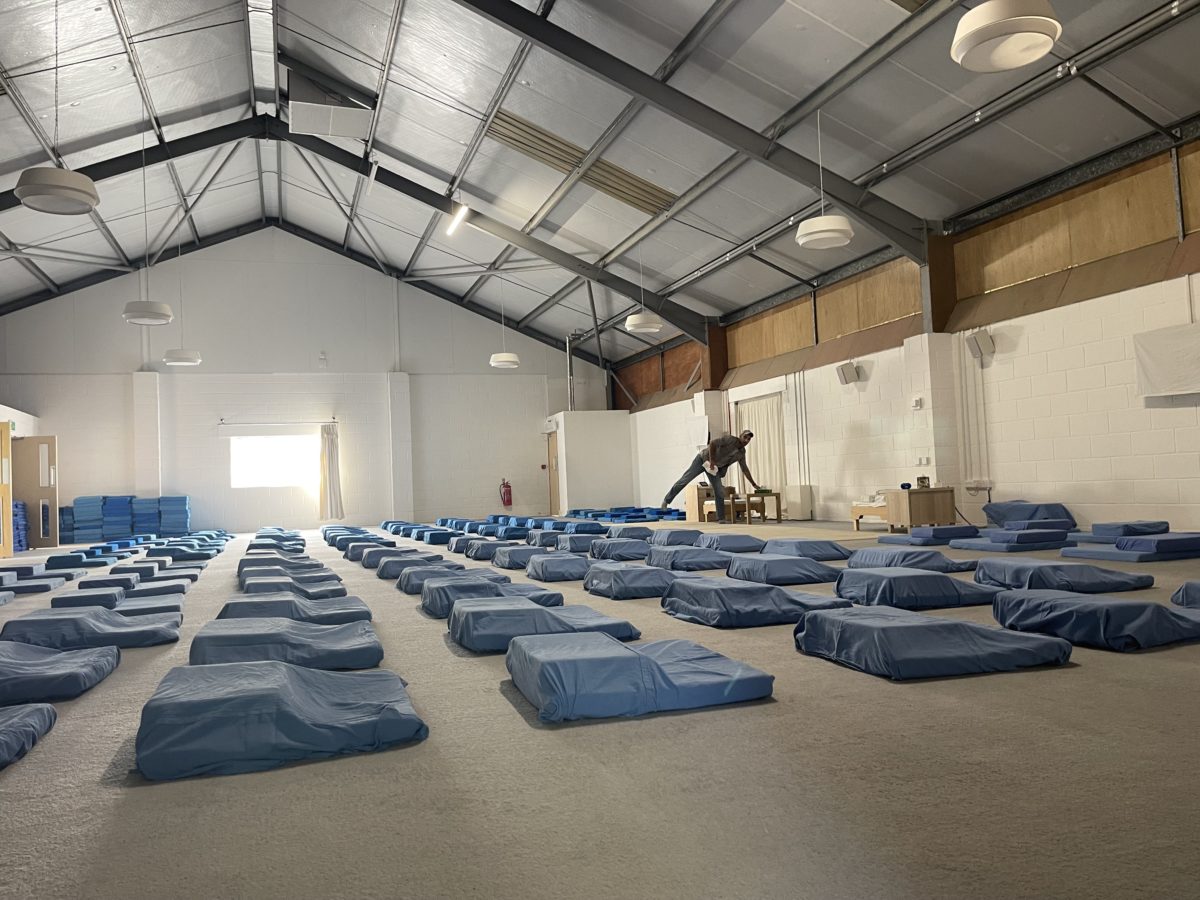
Concentration is not easy, particularly in a world full of constant digital distraction. Now, sitting in the Dhamma hall for hours, we spent hours focusing solely on the breath. The techniques I had explored previously in Yoga schools served as a useful foundation, helping me develop concentration that now made Vipassana feel more immediate and meaningful.
Here, the mind was in the spotlight, center stage. Every silly, shameful or sad thought we usually ignore was forced into view, impossible to hide.
Unlike other meditation techniques aimed at creating an immediate sense of peace, such as positive affirmations or repeating mantras, Vipassana offers no promises of quick relief or healing. It clearly states that it is not a substitute for medical or psychiatric treatment.
Yes, Vipassana meditation can be challenging, and at moments, it can feel almost like torture. After experiencing the intensity of Vipassana, I began to notice how my Yoga practice had prepared me for this journey.
Yoga and Vipassana
To me, Vipassana is a continuation of Yoga : la cerise sur le gâteau ( the cherry on the cake), of the practice of Yoga.
According to the Eight Limbs of Yoga, the primary purpose of Yoga Asanas (yoga postures) is to prepare the body for meditation, particularly seated postures. Cross-legged positions with an upright spine are not chosen at random; they support the body and help keep the mind awake and attentive. The body must be conditioned to endure long periods of stillness. Something modern bodies are not naturally trained for.
Yoga helps prepare Vipassana retreats. A retreat is like a marathon: attempting it without preparation can be risky.
Sitting for long periods brings discomfort, even for experienced yogis. Some pain is unavoidable. The key is learning which sensations can be observed and which deserve care.
Reflections on Pain — Two different perspectives
Between meditation sessions, we had a few minutes to rest or walk before the bell called us back to “work.” I observed fellow meditators limping, stretching, even practicing Yoga postures, including headstands !
I felt no urge to stretch or move. Wouldn’t that break concentration? But most importantly and surprisingly, I didn’t feel any tension in my body
I realized how Yoga had quietly prepared my body for this practice.
Yoga Sutra II.46 — Sthira Sukham Asanam : A Yoga posture should be steady and comfortable.
In Yoga, the body is first strenghten and quieted through asanas, preparing the mind for meditation.
Meditation comes only after this physical preparation.
In the Vipassana tradition, there are no specific recommendations for physical conditioning. The practice is entirely about the work of the mind, emphasizing equanimous observation of all bodily sensations. Students are advised not to “torture” themselves during Vipassana. Yet for those still learning to discern ”good” from ”bad” pain, this guidance can sometimes be difficult to interpret and even counterproductive.
Common principles between Yoga and Vipassana
• The Importance of Physical Experience
Both Yoga and Vipassana begin with the body. Yoga transforms it and reconnects us to it. B.K.S. Iyengar once said that through asana practice, “each pore of the skin becomes an eye.”
In Vipassana, we observe the breath and then sensations throughout the entire body. Over time, the mind’s sensitivity becomes increasingly refined.
• Observing Without Judging
The concept of Equanimity is central to Vipassana. Sensations are observed without craving the pleasant or rejecting the unpleasant.
Yoga works with similar mental patterns. However, attention in postures often focuses more on the body than on observing the mind’s reactions themselves. Infusing our Yoga practice with the intention of equanimity can be surprisingly transformative.
• It’s all about Practice !
In both Yoga and meditation, intellectualizing leads nowhere. Theory offers structure and safety, but true understanding arises only through direct experience — and repetition. Just Practice !
Silent meditation, Silent Connections
On the last morning, the day of departure, the atmosphere felt like the end of a summer camp.
Although we hadn’t spoken for ten days, we seemed remarkably close.
What the Buddhists call the Sangha was fully present here: we had shared ten days in a silent communion. It was impossible to know what the meditators sitting just a few meters away were feeling, yet their mere presence in the midst of our own struggles made it clear : we have faced this challenge together. We had all realized, through direct experience, the First Noble Truth of Gautama the Buddha : life inevitably involves suffering.
This experience also reminded me of a core teaching in Buddhism: the interdependence of all beings. Each meditator, each breath, each subtle movement of the body was part of a larger whole. We are never truly alone; even in our most personal struggles, the presence of others — whether seen or unseen — shapes our experience. In the silence of the retreat, I felt this interconnection deeply: our pain, our focus, our breakthroughs were not just individual, but part of a shared journey.
My Advice if You’re Considering a 10-Day Vipassana Course
1. Train Like It’s a Marathon
Vipassana requires mental endurance. Begin with short daily meditation sessions and simple concentration practices. Prepare the body as well : Yoga is an excellent foundation. A steady, comfortable posture becomes essential when sitting for long periods.
2. Explore Before You Commit
There are many meditation techniques. Try different approaches and notice what resonates with you. Previous meditation experience can deepen your understanding of Vipassana. Just as cross-training benefits an athlete, diversity of meditative practice will help you know what’s best for you.
3. Understand That It Is Deep Work
A 10-day Vipassana course is not a relaxation retreat. It is a structured, disciplined practice that works at profound mental levels. The process can be physically uncomfortable and emotionally confronting. It requires sincerity, patience, and commitment.
Take your time before enrolling. Make sure you understand the structure, the silence, and the discipline involved. When you feel ready, not just curious, not pressured, but ready, then commit fully.
Last posts
Yoga and Cycling : How Yoga Made Be A Better Cyclist
Part I: The Body — How Yoga Complements Cycling How yoga can improve mobility, body awareness and balance on and off the bike. I used to think that cyclists in [...]


My week at the Divine Life Society (Sivananda Ashram) : Part III
"Sow love, reap peace. Sow meditation, reap wisdom" - Swami Sivananda From Hatha Yoga to Bhakti Yoga I practise Yoga postures (Yoga Asanas) almost every day, even if it’s just [...]

My week at the Divine Life Society (Sivananda Ashram) : Part II
“Fewer the thoughts, greater the peace.” Swami Sivananda Arrival at the Ashram After a long journey by bus and then by rickshaw, I arrived in front of this orange facade [...]
My Week at the Divine Life Society (Sivananda Ashram, Rishikesh) Part I
"Let your eyes look with kindness, your tongue speak with sweetness, and your hand serve with softness" Swami Sivananda During my last trip to India, I had the incredible opportunity [...]

Serving a Vipassana Course: The Ultimate Yoga Practice
Anyone who has completed a 10-day Vipassana course alongside a dedicated yoga practice will tell you: Vipassana is the holy grail of Yoga. You can read about my first Vipassana [...]

Yoga Is Not Everything
When I chat with students or people who would like to start Yoga, I sometimes hear: "I need to do yoga." This use of the word "need" makes me thoughtful. [...]

Beyond the Postures: Svadhyaya and the Practice of Looking Within
"svādhyāyād iṣṭadevatā-samprayogaḥ" Sutra II.44, Yoga Sutras, Patanjali "From self-study comes communion, or alignment, with one's chosen deity or higher ideal" This sutra (verse) gives the explanation of the concept of [...]


Teaching Yoga in a Resort in Cambodia
I moved to Cambodia with a naive dream: to connect with my roots. Being born in Paris to Cambodian parents, growing up in France, and studying in Germany. I was [...]


Is Yoga A Sport?
Yoga Is Not a Sport - Said My Doctor I started Yoga with a few irregular sessions in a yoga studio in North Shore Auckland and online. At the time, [...]
My First Vipassana Retreat
On a quiet night beneath the Bodhi tree, Gautama Buddha closed his eyes—not to escape the world, but to see it so clearly that suffering itself dissolved. My journey from [...]