Yoga in Mumbai : where Modernity Meets Traditions
“The most powerful practice is often the simplest one — repeated with patience, humility, and presence.”
An oasis of Peace and History
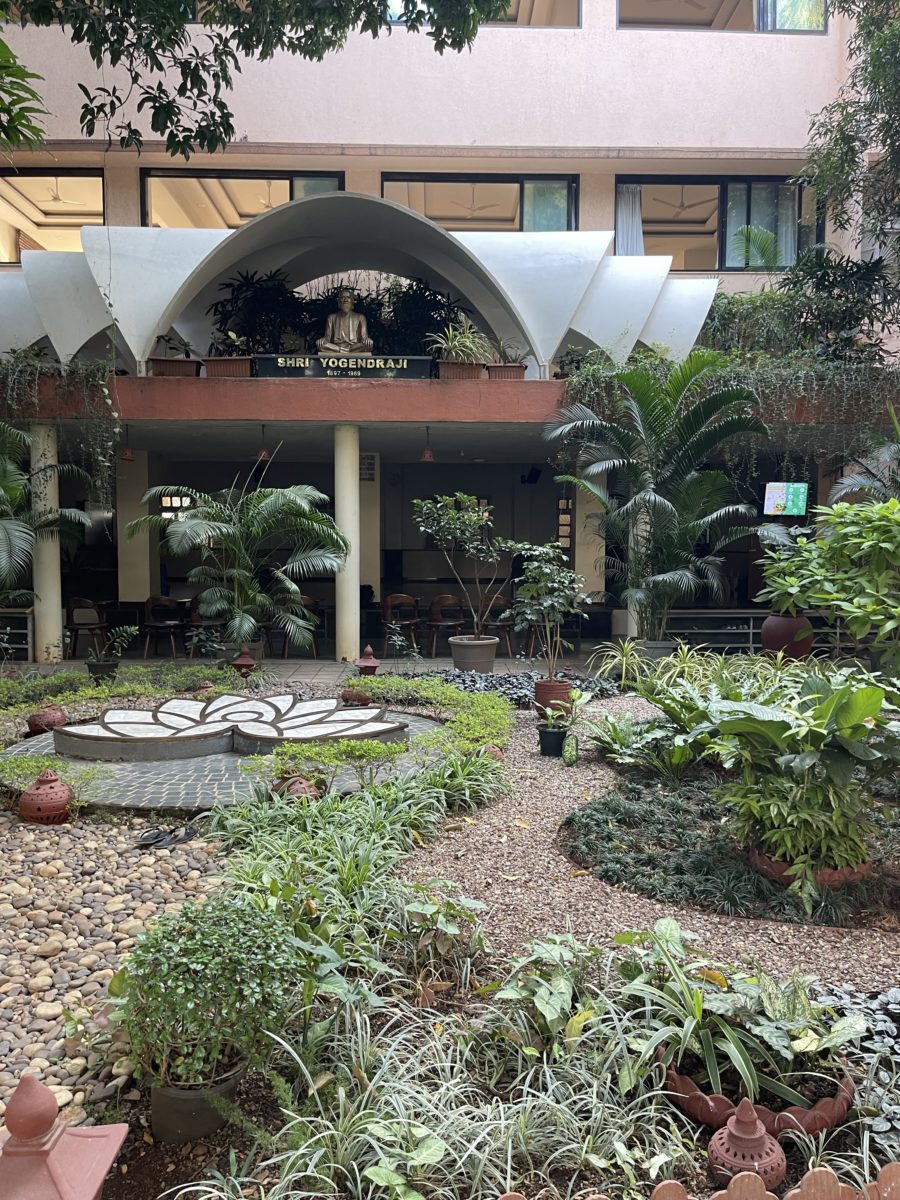
Sometimes, things just fall into place. A bubbly lawyer from Mumbai, whom I met in New Delhi, told me about the oldest yoga school in the world, the Yoga Institute in Mumbai where she had completed an extensive training. Intrigued, I did some research online. The school offered an intensive multi-month program, and its building blended traditional ashram elements with modern touches. Perhaps this was the perfect opportunity to immerse myself even deeper into Yoga. The only problem? The Institute was in Mumbai. I had some apprehensions about this city picturing it as a giant, devouring monster, a constant whirlpool of people, noise, and flashing lights.
But when I finally walked through the Institute’s gates, I entered an oasis of peace. The air was thick with a quintessential yogic atmosphere. Time seemed to stand still. The place was lush with greenery and flowers, featuring a beautiful walking path, small colorful meditation pods, and warm smiles from people of all ages at every corner. Despite the constant thunder of planes flying in and out, as the school was right by the International Airport, this Institute truly was a yoga paradise. Here, I would gain access to a variety of practices, deepen my understanding of Yoga’s techniques and history, and meet some incredible people. My practice was about to reach a whole new level.
The Oldest Yoga Institute in The World
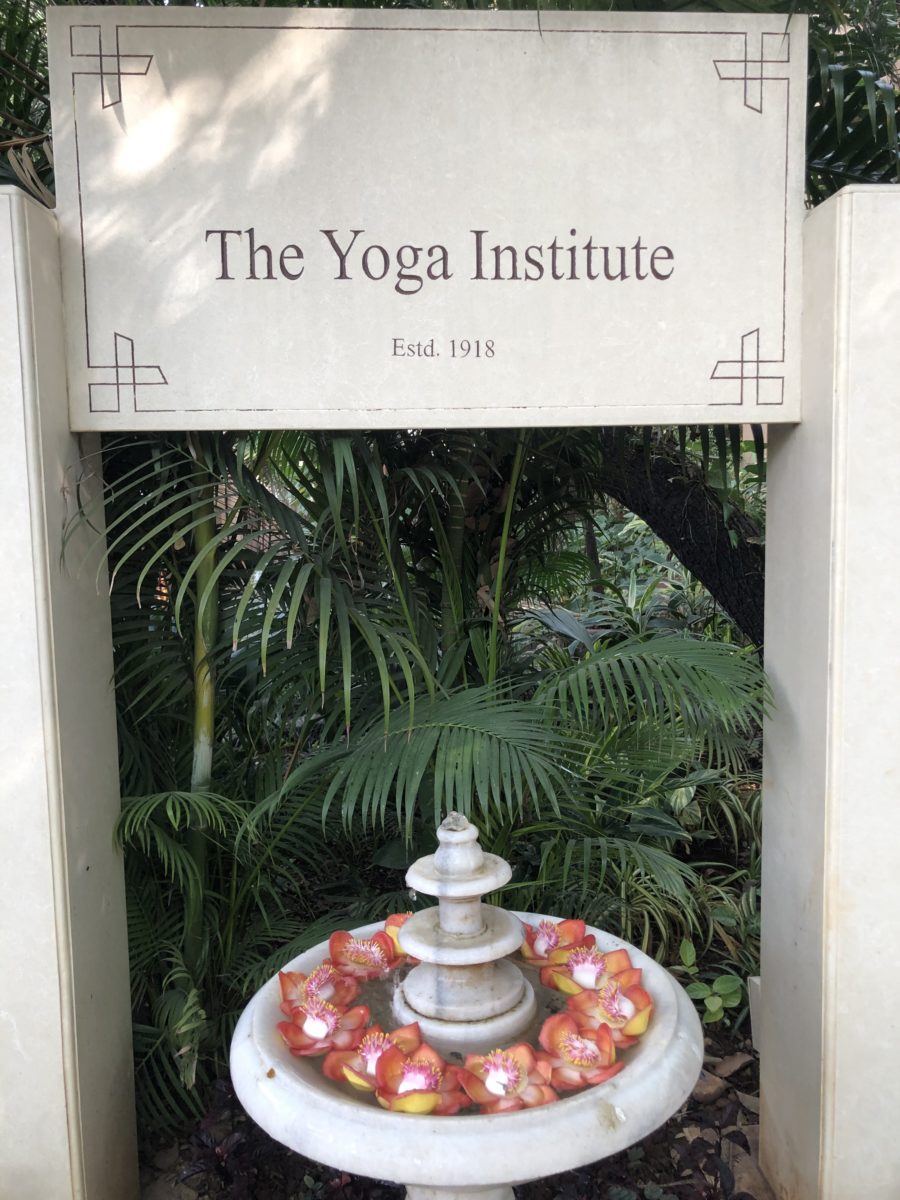
The founder of the Institute, Shri Yogendraji, established the Yoga Institute in 1918 on Versova Beach before settling in Santa Cruz, East Mumbai, in 1947.
One key feature of the yoga taught by the Founder, still passed down today in all the Yoga Institute’s worldwide, is the concept of Dynamic Asanas, performed to a simple breath-count system. He also adapted the traditional postures (or asanas) to make them accessible to a broader audience, with a special focus on engaging both the mind and breath.
Another major advantage of practicing at the Institute was the access to a vast diversity of yoga styles. There are as many styles of yoga as there are teachers : we had more than a dozen different Yogasanas teachers. A real buffet of Yoga! Practicing a variety of styles makes it possible to compare methods and refine one’s practice.
My own practice and teaching today are inspired by how the Institute could adapt to individual bodys and prioritizing the application of Yoga principles like Vairagya (letting go) and Jnana (Awareness) within the asanas themselves. Slowing down the movement makes it come alive. Every movement becomes an embodied gesture, felt in every fiber of the body.
The Yoga Institute developed its own asanas—simplified variations of the main traditional postures in Yoga. I find these asanas brilliant and ingenious! Not only are they accessible to those who are “less fit,” but they also allow for deeper bodily introspection.
Here, Yoga is experiential. It’s not only the power of the place that makes this possible, but the way a teacher invites students to surrender. The choice of words, the tone—it all matters. I’m constantly impressed by how some teachers embody the Yoga postures themselves, without needing to show it.
Yoga Through Safety: How I Found My Teaching Path
One of the greatest advantages of practicing with many different teachers is learning to recognize between practices that feel supportive and those that may be detrimental over time.
The French love to complain about their school system, but one aspect of my French education that I deeply value is its emphasis on critical thinking. This background encouraged me to question, observe, and reflect rather than place unquestioning trust in any single authority. During my training, I noticed that some of my classmates felt a strong devotion to certain teachers whose methods left me more cautious and curious.
As a practitioner, my priority has always been injury prevention and respect for the body’s limits.When it comes to long-term physical and mental well-being, I believe discernment matters more than intensity.
I enjoy hiking, running, swimming, and regularly exploring new sports, and over the years an attentive approach has helped me remain injury-free. Observing others navigate injuries reminded me that enthusiasm alone does not guarantee safety, and that a strong personal practice does not automatically translate into skillful teaching. A dedicated yoga practitioner, after all, is not always prepared to guide others.
At the same time, I experienced deep respect and gratitude for one particular teacher whose approach I found rich, thoughtful, professional, and original. (Article: Ode to my Gurus).
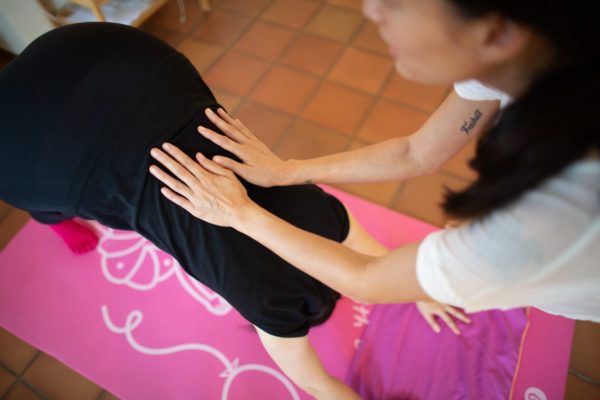
Yoga: Less Thinking, More Feeling
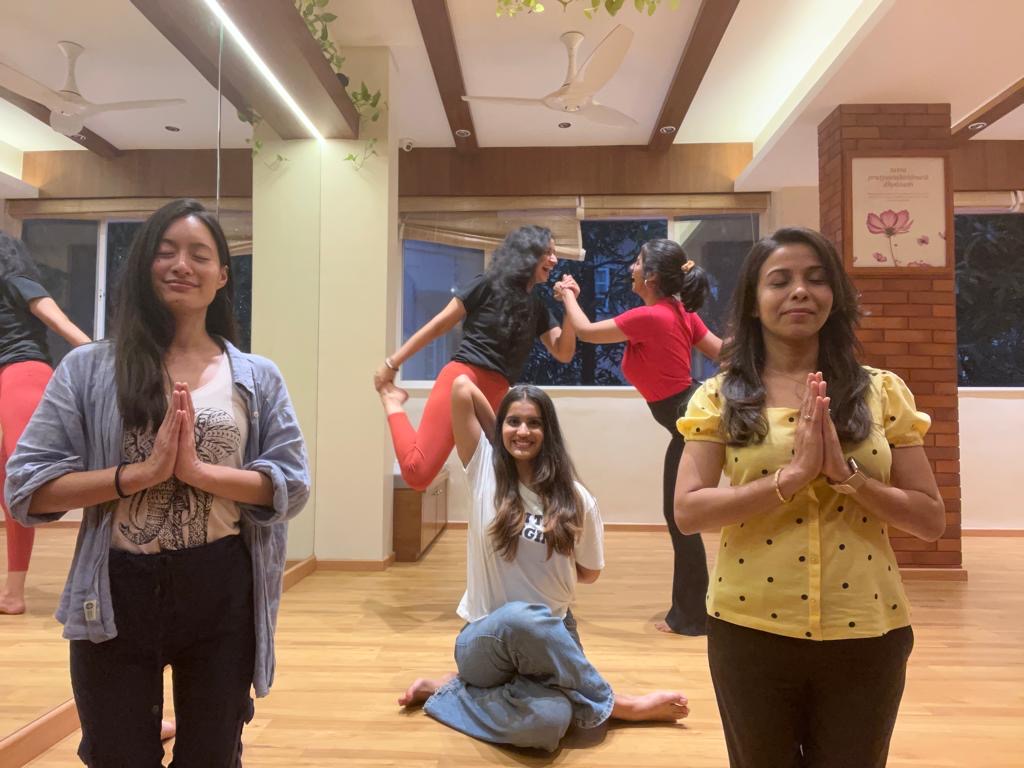
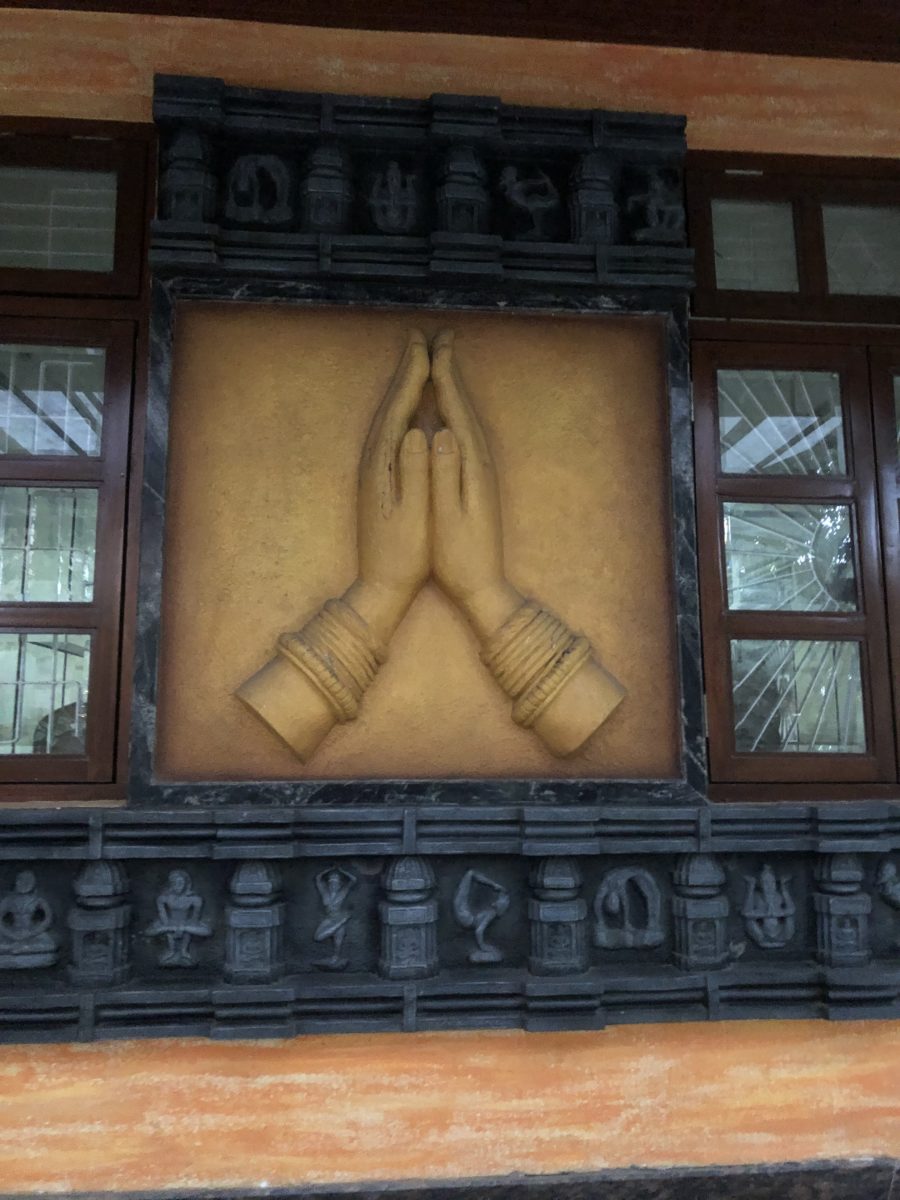
Jnana Yoga is the path of Knowledge. It involves deep inquiry into the self through questioning, meditation, and contemplation. The teachings and environment at the Institute provided the perfect setting for this studious form of Yoga.
Interestingly, the first tattoo I got when I turn 18 was this exact word ”Jnana” in Hindi. At that time, I wasn’t practicing Yoga, nor had I been to India. I simply loved the Sanskrit script and valued Knowledge as a guiding principle in my life.
After the Yoga halls and the gardens, my other favorite place at the Institute was the library : bright, welcoming and filled with an impressive collection of yoga texts. I began reading about yoga philosophy and exchanging ideas with fellow students.
Over time, however, I noticed that some of these discussions felt disconnected from lived experience. I came to understand that intellectual exploration, while valuable, can sometimes distract from the embodied and experiential nature of Yoga.
Yoga philosophy reveals itself most clearly when it is applied on the mat, through simple attention, curiosity, and regular practice, both on and off the mat. On the mat, Jnana Yoga invites careful attention to sensations and a growing understanding of the body. This kind of awareness unfolds gradually with time.
As a teacher, I aim to weave this gentle inquiry into my classes, encouraging students to stay connected not only to their movements, but also to the inner experience that accompanies them.
To close with Grace,
One evening, I decided to rest and skip the last asana session of the day. Instead, I sat on the side to observe the class. Ramender Sir, one of the senior and most respected teachers at the Institute, was leading the session. His presence was unmistakable. With his deep and steady voice, he would call out each asana name, and the students would follow in unison. There was a silence in the room, a stillness that made his class feel more spiritual than any other.
He was always accompanied by his demonstrator, a young woman with undeniable charisma. She performed each asana with remarkable precision and effortless grace. All her movements were measured and deliberate.
Her expression was the embodiment of perfect serenity.
In that moment, I realized that this was the true essence of Yoga: not just a physical practice, but a state of being. It was the kind of presence I strive for in my own practice and teaching : teaching not just through words, but through how we move, how we hold space, and how we inspire others with our own practice.
Last posts
Yoga and Cycling : How Yoga Made Be A Better Cyclist
Part I: The Body — How Yoga Complements Cycling How yoga can improve mobility, body awareness and balance on and off the bike. I used to think that cyclists in [...]
My week at the Divine Life Society (Sivananda Ashram) : Part III
"Sow love, reap peace. Sow meditation, reap wisdom" - Swami Sivananda From Hatha Yoga to Bhakti Yoga I practise Yoga postures (Yoga Asanas) almost every day, even if it’s just [...]

My week at the Divine Life Society (Sivananda Ashram) : Part II
“Fewer the thoughts, greater the peace.” Swami Sivananda Arrival at the Ashram After a long journey by bus and then by rickshaw, I arrived in front of this orange facade [...]
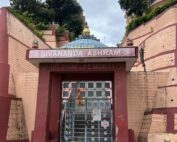
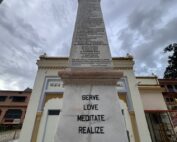
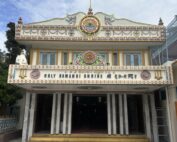
My Week at the Divine Life Society (Sivananda Ashram, Rishikesh) Part I
"Let your eyes look with kindness, your tongue speak with sweetness, and your hand serve with softness" Swami Sivananda During my last trip to India, I had the incredible opportunity [...]

Serving a Vipassana Course: The Ultimate Yoga Practice
Anyone who has completed a 10-day Vipassana course alongside a dedicated yoga practice will tell you: Vipassana is the holy grail of Yoga. You can read about my first Vipassana [...]

Yoga Is Not Everything
When I chat with students or people who would like to start Yoga, I sometimes hear: "I need to do yoga." This use of the word "need" makes me thoughtful. [...]

Beyond the Postures: Svadhyaya and the Practice of Looking Within
"svādhyāyād iṣṭadevatā-samprayogaḥ" Sutra II.44, Yoga Sutras, Patanjali "From self-study comes communion, or alignment, with one's chosen deity or higher ideal" This sutra (verse) gives the explanation of the concept of [...]


Teaching Yoga in a Resort in Cambodia
I moved to Cambodia with a naive dream: to connect with my roots. Being born in Paris to Cambodian parents, growing up in France, and studying in Germany. I was [...]


Is Yoga A Sport?
Yoga Is Not a Sport - Said My Doctor I started Yoga with a few irregular sessions in a yoga studio in North Shore Auckland and online. At the time, [...]
My First Vipassana Retreat
On a quiet night beneath the Bodhi tree, Gautama Buddha closed his eyes—not to escape the world, but to see it so clearly that suffering itself dissolved. My journey from [...]