
My Week at the Divine Life Society (Sivananda Ashram, Rishikesh) Part I
“Let your eyes look with kindness, your tongue speak with sweetness, and your hand serve with softness” Swami Sivananda
During my last trip to India, I had the incredible opportunity to spend a week at the Sivananda Ashram in Rishikesh, the undisputed yoga capital of the world.
The ashram receives an overwhelming number of requests, but a few are actually accepted. I owe my stay to Rani, a friend I met at a meditation center in Australia who had been a devotee of Sivananda centers worldwide for years. You can imagine how grateful I felt to have this chance to stay at the ashram.
Having visited Rishikesh in the past for modern yoga retreats, I had frequently passed by the ashram’s striking orange facade. It always looked like a place belonging to a different era—a timeless space handed down directly from the ancient past.
To be honest, I used to think it was completely inaccessible to me. I considered myself a “Yoga 2.0” practitioner. My practice was focused almost entirely on physical postures and meditation, and I had very little interest in Bhakti Yoga (the path of devotion). Traditional ashrams like this place massive importance on Bhakti through continuous chanting and prayers, rather than the physical Asana practice popular in the West.
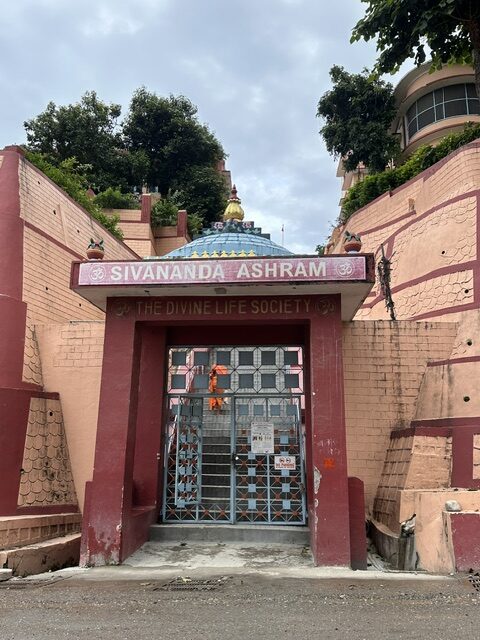
I have always been a deep skeptic of “spiritual experiences,” preferring the grounded, tangible side of mindfulness over anything mystical. But I had absolutely no idea just how transformative this stay would be.
The raw reality of the ashram went far beyond my imagination, instantly confronting my comfort zone. It didn’t just move me; it forcefully shook my assumptions and made me question my own skepticism.
The History of the Ashram
Sivananda’s Life Mission : The Yoga of Synthesis and the spread of knowledge
The core mission of the ashram is the spreading of spiritual knowledge and humanitarian service. For Swami Sivananda, sharing this knowledge was the ultimate form of charity. Before establishing the ashram, he was a medical doctor, and he carried that practical, healing mindset into his spiritual life.
Instead of preaching from a pulpit, he chose to write profusely, authoring over 200 books to make the deep, complex truths of yoga accessible to everyday people. He demystified ancient wisdom with straightforward, highly practical books like Practice of Karma Yoga, Mind: Its Mysteries and Control, and Thought Power.
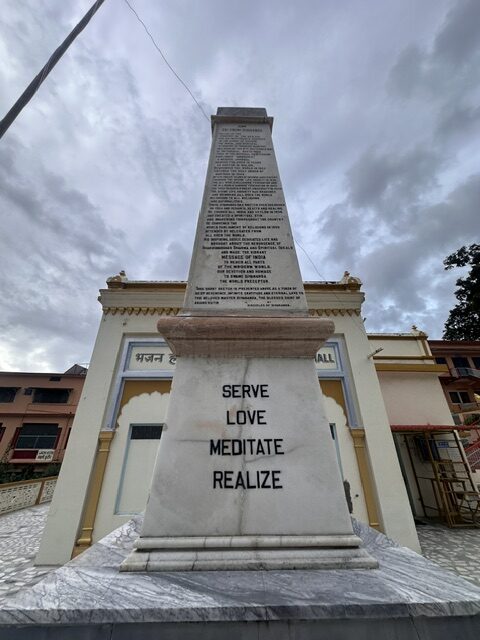
“Serve, Love, Give, Purify, Meditate, Realize.”
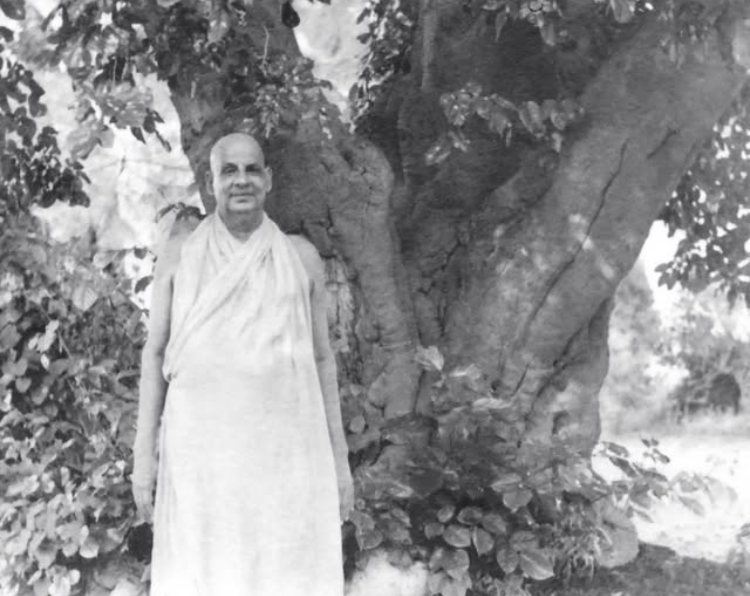
His teaching is simple but profound: a complete spiritual life should develop the whole human being, not just one aspect of our nature.
Rather than following only meditation, devotion, intellectual study, or selfless service, Sivananda taught that we can practise all these paths together. Each supports and balances the others, helping us grow in wisdom, love, purity, and spiritual understanding.
Swami Sivananda taught the Yoga of Synthesis by integrating the four principal paths of yoga: Karma Yoga, Bhakti Yoga, Raja Yoga, and Jnana Yoga.
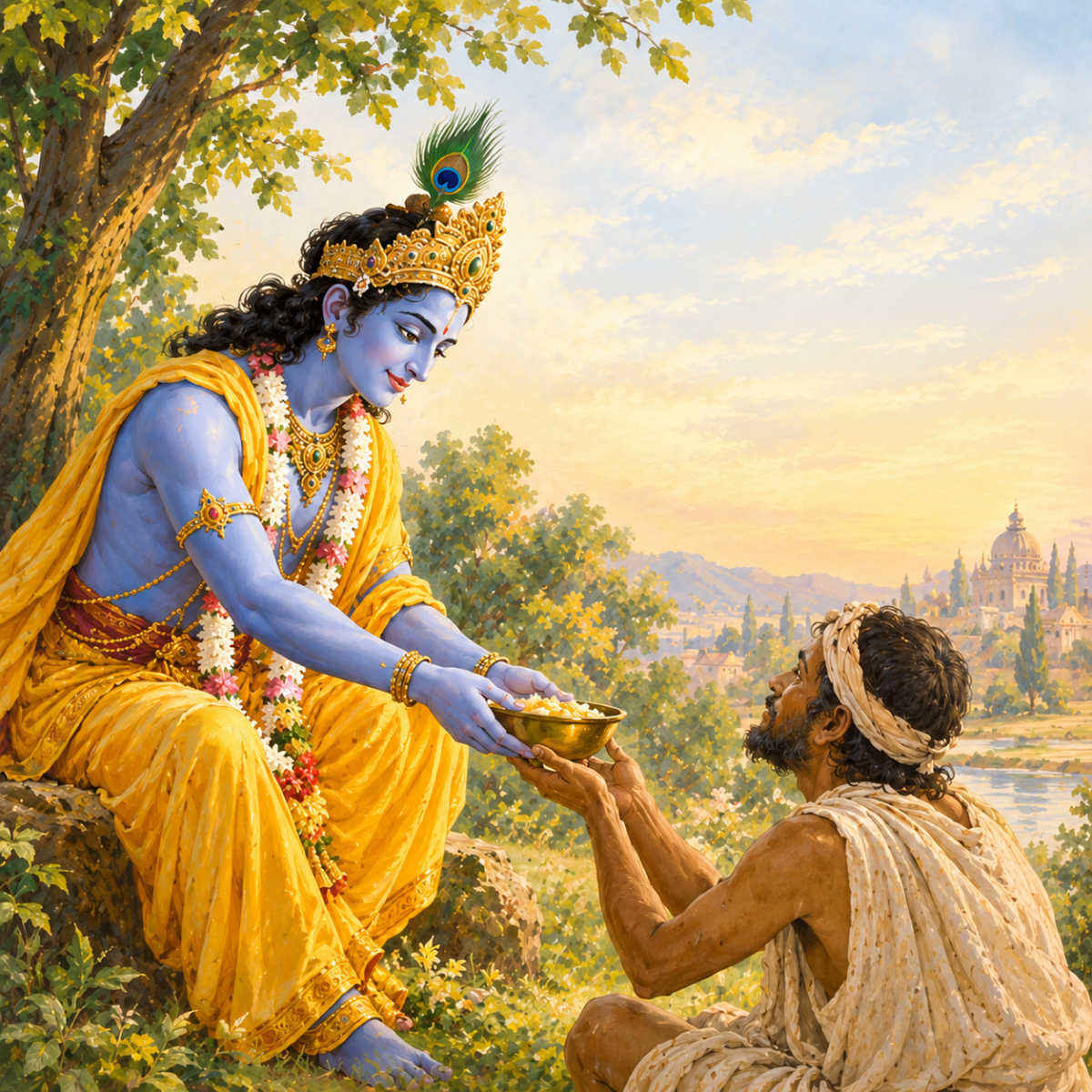 1. Karma Yoga — The Yoga of Action
Karma Yoga is the path of selfless service and action without attachment to the results. It teaches us to perform our duties with sincerity, humility, and a spirit of service, without expecting personal reward or recognition.
Develops : the Hands
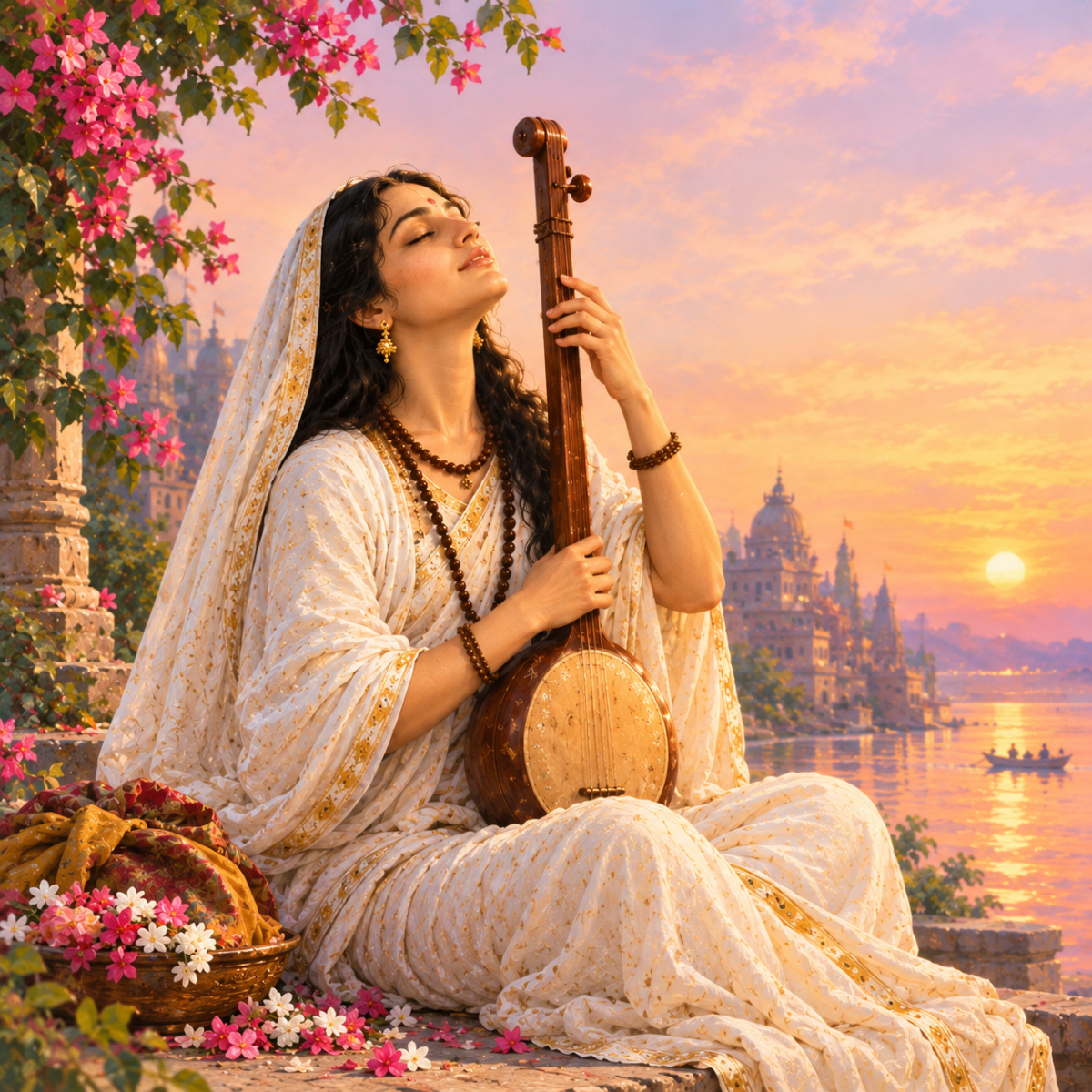 2. Bhakti Yoga — The Yoga of Devotion
Bhakti Yoga is the path of love, faith, devotion, and surrender to God or the Divine. It transforms emotions into pure, selfless love through prayer, worship, chanting, and compassion.
Develops: The Heart
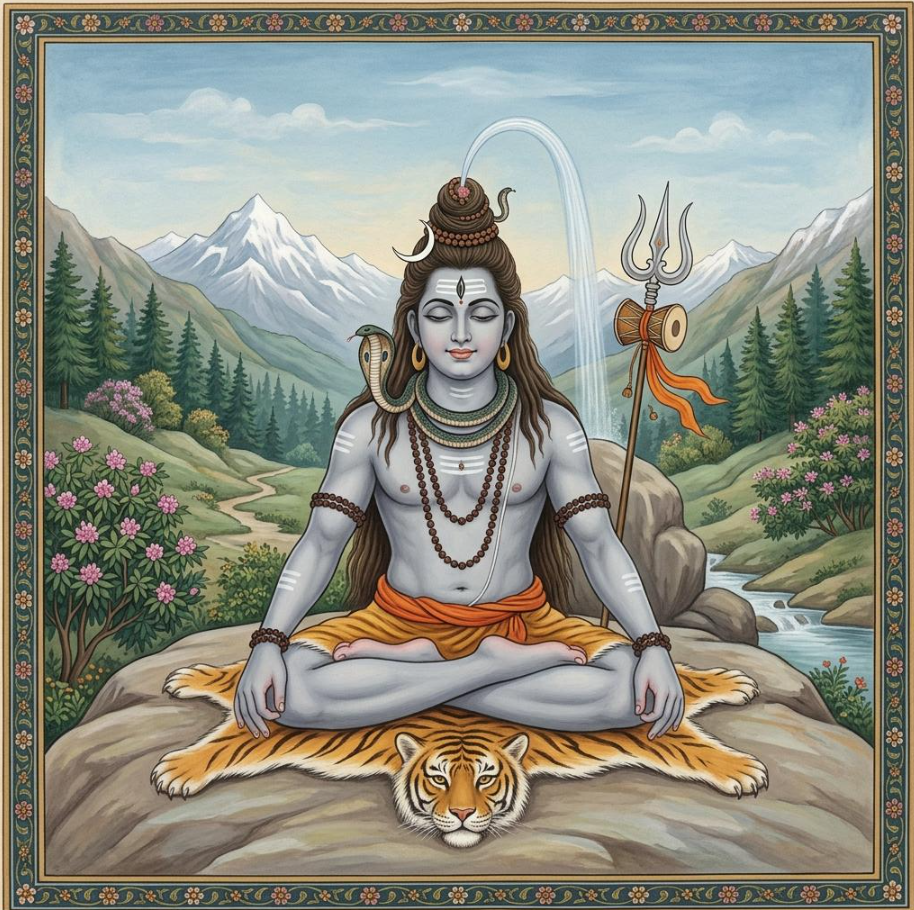 3. Raja Yoga — The Yoga of Mind Control
Raja Yoga is the path of systematic control of the body and mind through discipline, concentration, and meditation. Based on Patanjali’s Yoga Sutras, it guides the practitioner towards mental stillness and higher states of consciousness.
Develops: The Mind
 4. Jnana Yoga — The Yoga of Knowledge
Jnana Yoga is the path of wisdom, self-inquiry, and discernment. Through study, reflection, and contemplation, the practitioner learns to distinguish the true Self from the temporary aspects of existence and seeks to understand the nature of reality.
Develops: The Intellect (wisdom and discernment)
Personally, as an avid reader and practitioner of meditation, I am more naturally drawn to the Yoga of Mind Control (Raja Yoga) and the Yoga of Knowledge (Jnana Yoga). Upon my arrival, despite my great motivation and curiosity to experience life in a “traditional” ashram, I had certain prejudices about the Yoga of Devotion (Bhakti Yoga). I judged devotional people as too emotionally intense, lacking reflection and choosing a certain ease through robotic chanting of mantras.
In the next part of this article, I will take you inside the ashram gates to discover my minimalist room, the treasures of the library, and how the daily routine forced me to face my own skepticism through the different paths of Yoga.
Last posts


Yoga in Mumbai : where Modernity Meets Traditions
“The most powerful practice is often the simplest one — repeated with patience, humility, and presence.” An oasis of Peace and History Sometimes, things just fall into place. A bubbly [...]


My first Yoga Training in Bharat, India
“In the land where yoga was born, the silhouette of Shiva in meditation and asana whispers a timeless truth: mastery begins in the body, but blossoms in the mind.” Arrival [...]


Ode to my gurus
In Sanskrit, Guru means "the one who removes darkness". In a less formal and poetic sense, a guru is simply a teacher or a guide. On the French Wikipedia page, [...]


Born in Paris, Made in India, rooted in Khmer blood
“Mouvement without consciousness is the ruin of the body.” Every movement we make carries weight. When practiced without attention, even the strongest body can accumulate strain and imbalance. Through mindful, [...]